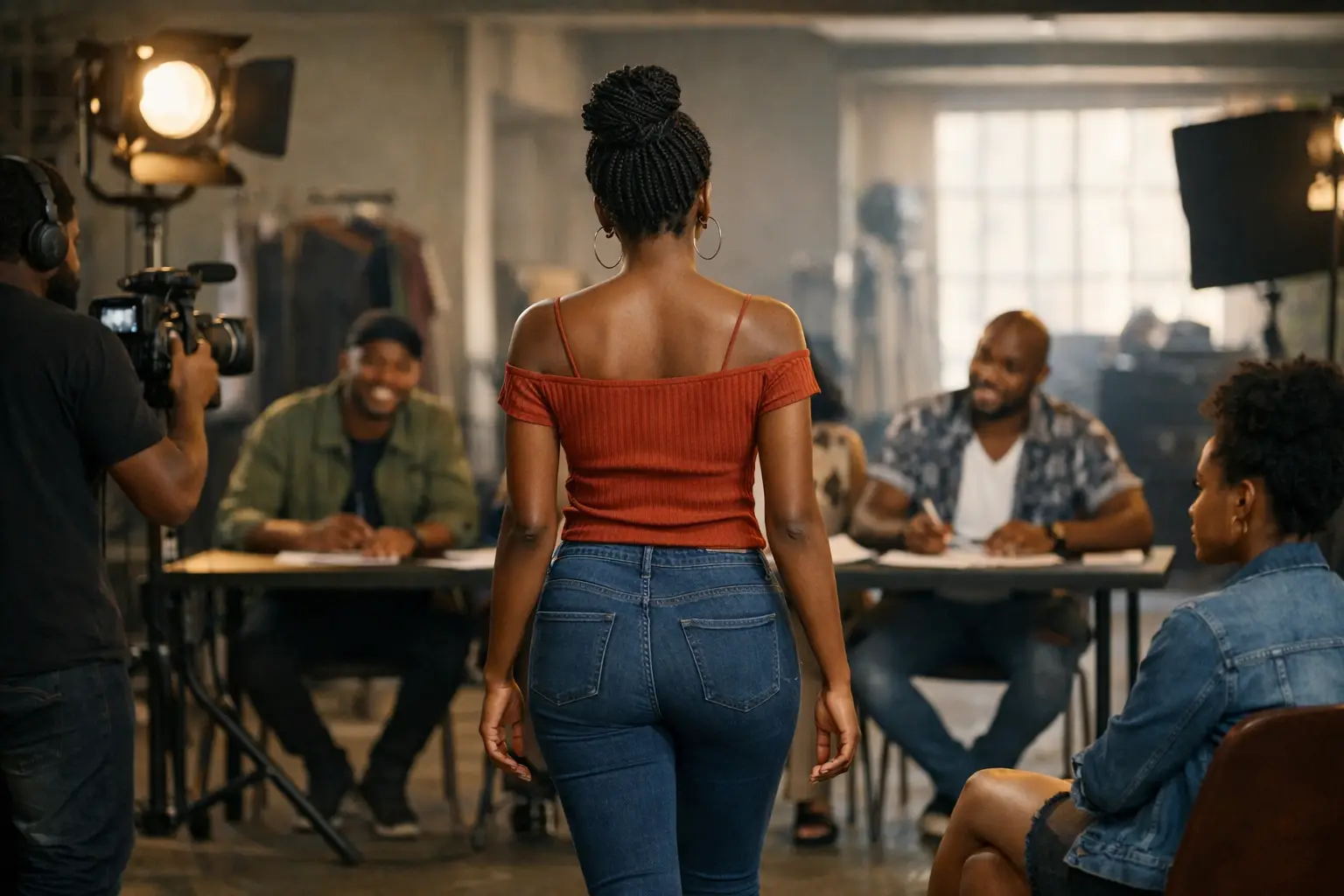
You get the casting notice, see the words open call, and suddenly the process feels less clear than the role itself. If you have ever wondered how do open call auditions work, the short answer is this: they are first-round casting sessions where many performers are invited to be seen, often in a short time frame, so a casting team can quickly identify who should move forward.
That sounds simple, but the experience can vary a lot depending on the project, the size of the talent pool, and whether the team is casting for film, TV, commercials, theater, fashion, or digital content. For actors, models, and creators trying to build momentum, understanding the mechanics matters. For project owners, it matters too, because open calls can be an efficient way to widen discovery without lowering standards.
How do open call auditions work in practice?
An open call is exactly what it sounds like. Instead of inviting only pre-selected talent through an agent or private shortlist, the production opens a time window for eligible applicants to show up, submit, or audition. Sometimes that means an in-person line outside a studio or theater. Sometimes it means a digital submission period where anyone who matches the brief can send materials.
The goal is volume with structure. Casting teams use open calls when they want range, fresh faces, local talent, or a broader mix of performers than they might reach through private submissions alone. It is common for entry-level projects, community productions, branded content, indie films, student films, and even major productions searching for very specific or undiscovered talent.
The open part does not mean unfiltered chaos. Serious casting teams still work from a brief. They are looking at type, skill, age range, availability, location, look, union status when relevant, and whether someone can realistically handle the demands of the role. Open call simply widens the door at the first stage.
What happens before the audition day
Most open calls start with a posting. That listing usually includes the project type, role descriptions, dates, pay status, location, submission instructions, and any requirements such as headshots, resumes, reels, measurements, or portfolio images. If the notice asks for a slate, a monologue, sides, or a walk, treat that as the first test. Teams notice who follows directions.
Some open calls are truly first come, first served. Others require registration even though they are open to the public. In higher-volume situations, applicants may be given time slots to reduce traffic and keep the schedule usable. That detail matters because it changes how much face time each person gets. A packed cattle-call style session can move very fast. A scheduled open call may allow more breathing room.
For project owners, this setup is about workflow. You want enough accessibility to attract good talent, but enough structure to keep review manageable. For creatives, the lesson is straightforward: read every line of the notice and prepare for the actual format being used, not the one you hope it will be.
What to expect when you arrive
If the audition is in person, you will usually check in, confirm your details, and wait your turn. You may fill out a form, submit a headshot and resume, receive sides, or be asked to complete a profile card. In fashion and commercial casting, you might also be photographed on site. In theater or scripted screen auditions, you may be sent into the room alone or in small groups.
The room itself is often less dramatic than people imagine. A casting director, assistant, producer, director, or brand representative may be present. Sometimes it is one person with a camera and a clipboard. Sometimes it is a panel. The process may last two minutes or ten, depending on how many people are being seen and what the role requires.
That short window is why preparation matters more than performance anxiety. At an open call, the team is usually asking a basic question first: should this person move to the next step? They are not always trying to make the final decision on the spot.
How casting teams evaluate talent at open calls
This is where many people overcomplicate things. In most open calls, casting teams are not only judging raw talent. They are also evaluating fit, professionalism, direction-following, and whether you are usable within the timeline and budget of the production.
If you are an actor, they may look for presence, listening, natural choices, vocal clarity, and how quickly you adjust. If you are a model, they may focus on movement, confidence, proportions, camera awareness, and whether your look matches the brand or concept. For creators and on-camera personalities, energy, authenticity, and audience fit often matter just as much as polish.
There is also a practical layer that creatives sometimes miss. If the role shoots next week and you are unavailable, it does not matter how strong the read is. If the production needs a local hire and you require travel, you may be a harder yes. Open calls can feel subjective, but many decisions are driven by logistics as much as artistry.
How do open call auditions work for callbacks?
Getting seen at the open call is only the first phase. If the team is interested, they may ask for a callback, a self-tape, a chemistry read, a fitting, additional photos, or a meeting with the director or client. In some cases, they may place you on hold before making a final booking.
Callbacks are where the pool narrows and the evaluation gets more specific. At that point, they are usually comparing you against other serious contenders rather than scanning for general potential. The energy in this round is different. The question is no longer can this person work for the project, but is this the right person among the finalists?
Not every open call leads to a callback, and not every strong audition leads to a booking. That is normal. A good open call performance can still put you on the radar for future projects if the team sees reliability and range.
Common mistakes that hurt otherwise solid talent
The biggest mistake is treating an open call like it does not matter because the barrier to entry is lower. Open does not mean casual. It means accessible.
A close second is ignoring the brief. If the casting notice asks for a natural read and you come in overly theatrical, you are making the team work harder to imagine the fit. The same goes for wardrobe, formatting, file names in digital submissions, and arrival times. Small misses can signal bigger production problems.
Another common issue is trying to force memorability. Strong choices help. Gimmicks usually do not. Casting teams remember people who are prepared, easy to direct, and right for the role. They also remember people who create friction, and not in a good way.
How creatives can approach open calls strategically
Open calls work best when you treat them as part of a larger pipeline, not a one-shot bet. Apply for roles that fit your type and current skill level. Keep your materials updated. Know your one-minute introduction. Be ready to submit quickly when the right project appears.
It also helps to understand where you are in your career. If you are building credits, open calls can be one of the fastest ways to get in front of decision-makers without waiting for gatekeepers to approve access. If you already have strong representation, open calls can still make sense for special projects, local opportunities, or niche casting needs.
Platforms built for creative hiring can make this process more efficient because they centralize casting notices, project details, and application pathways. In a marketplace like Fameidols, that matters. The faster you can move from discovery to application with the right materials, the better your odds of staying competitive.
Why project owners still use open calls
From the client side, open calls are not just about filling the room. They are about discovering talent that would never appear through a narrow shortlist. That is especially useful when the project needs authenticity, local access, diverse looks, emerging performers, or creators with a specific audience connection.
There are trade-offs. Open calls can create more admin work, inconsistent applicant quality, and scheduling pressure. But when organized well, they expand reach and improve discovery. For productions that need a broad search without losing casting control, they are a practical tool.
The best open calls are clear, specific, and professionally managed. They tell applicants what the role is, what the team needs, and how the process will run. That clarity saves everyone time and tends to attract stronger submissions.
The real value of understanding the process
When you know how open call auditions work, the process feels less mysterious and more usable. You stop seeing the room as a lottery and start seeing it as a system. A fast-moving one, yes, but still a system.
That mindset changes how you prepare. Instead of chasing perfection, you focus on fit, readiness, and follow-through. And that is often what gets people through the first door.
Show up prepared, follow the brief, and let the team see something they can actually cast. That is how opportunity starts to compound.
Leave your comment
You must be logged in to post a comment.