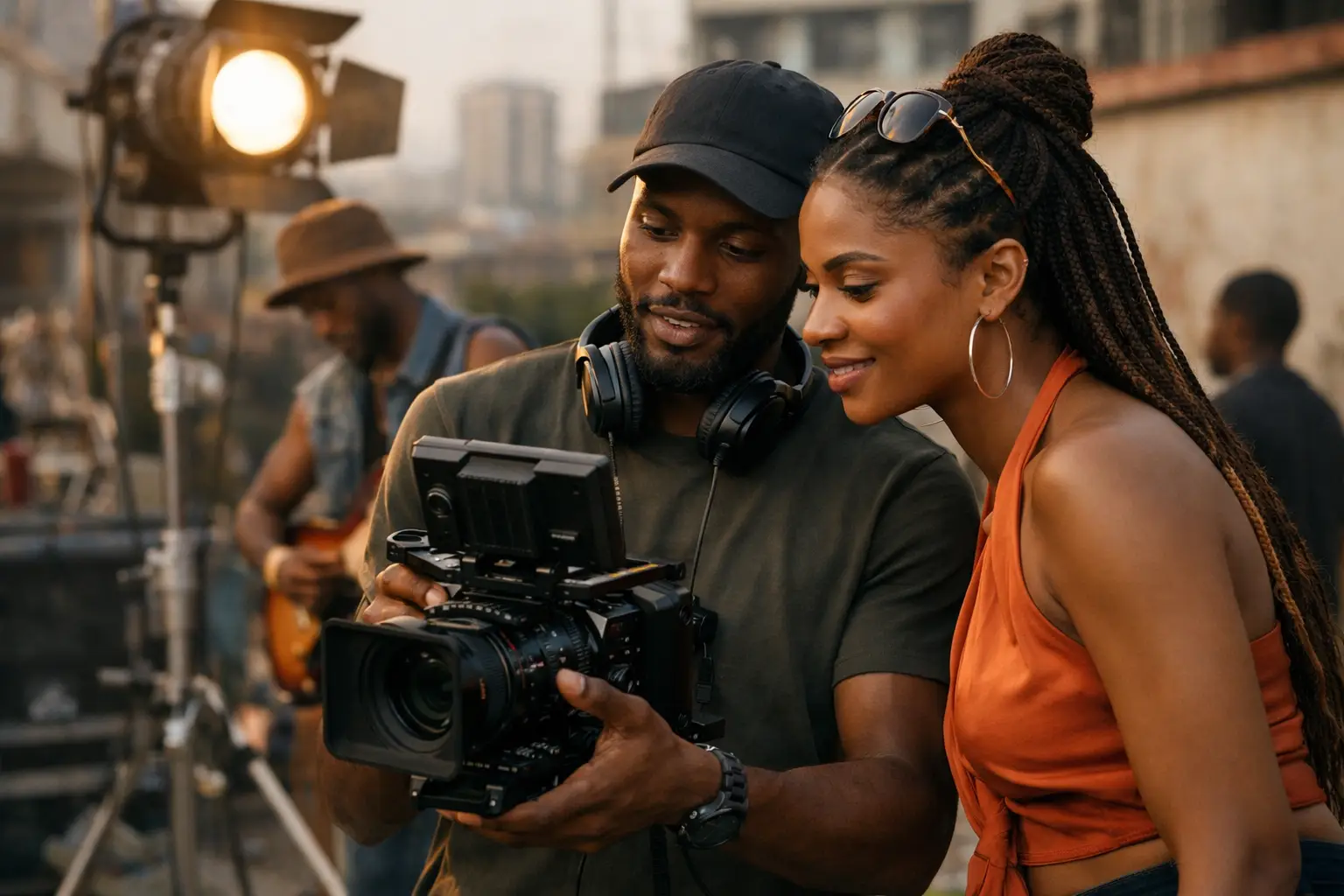
The first bad sign usually shows up before the camera rolls. You ask for a gritty, performance-led visual, and the reel you get back is full of glossy wedding footage, travel montages, and random slow motion. That is exactly why learning how to hire cinematographer for music video projects matters early, not after your shoot date is locked and your budget is already stretched.
A music video cinematographer is not just someone who knows how to expose an image. They shape movement, mood, lens choices, lighting strategy, and the visual language that carries the artist on screen. If the fit is wrong, your concept can still get filmed, but it will not feel like your record.
What to look for when you hire cinematographer for music video
The best hire is rarely the person with the prettiest reel. It is the person whose work proves they can support your specific type of song, artist image, and production reality.
Start with visual compatibility. A cinematographer may be technically strong and still be the wrong creative match. If your track needs handheld tension, low-light confidence, and fast performance coverage, a DP who specializes in polished studio beauty setups may not be your best option. You are not hiring general talent in the abstract. You are hiring for this song, this concept, this artist, and this shooting plan.
Then look at production judgment. Music videos move fast. Locations shift. Artists arrive late. Light disappears. A strong cinematographer knows how to protect the image without freezing the schedule. That skill does not always show up in a highlight reel, so you need to ask about real shoot conditions, not just final results.
Communication matters just as much. A great cinematographer should be able to talk through lenses, camera movement, frame rates, lighting setups, and compromises in plain English. If every answer sounds vague or overly technical, collaboration gets harder once the pressure starts.
Reel quality is not enough
A reel should open the conversation, not close it. Plenty of reels look impressive because the project had a large art department, a strong colorist, expensive locations, or a director with a clear visual plan. Your job is to figure out what the cinematographer actually contributed.
Ask to see full music videos, not just a cutdown reel. Full pieces reveal pacing, consistency, coverage choices, and whether the cinematographer can sustain a look across an entire song. A 30-second montage can hide weak performance lighting, repetitive framing, or uneven continuity.
It also helps to ask what gear, crew size, and schedule each sample was shot with. A cinematographer who created striking work on a one-day, low-budget setup may be more valuable to your production than someone whose best footage came from a large commercial team.
Questions that reveal real fit
When you are ready to narrow the field, ask practical questions tied to execution. How would they shoot performance differently from narrative scenes? How do they handle a location with mixed lighting? What would they prioritize if the schedule gets cut in half? Which references feel right for your concept, and which do not?
The goal is not to test them. The goal is to hear how they think.
A strong candidate will usually bring ideas you did not ask for. They might suggest shooting at a different time of day, reducing company moves, changing lens strategy for the artist, or building a lighting plan around your edit style. That kind of thinking saves time and upgrades the final video.
Budget affects more than the day rate
When people try to hire a cinematographer for a music video, they often fixate on one number: the DP’s fee. That is only part of the picture.
Some cinematographers own camera packages, lenses, monitors, or lighting kits. Others work with rental houses and prefer to build a package based on the concept. Neither approach is automatically better. Owner-operators can simplify logistics and reduce costs. On the other hand, a custom rental package may be the smarter move if the concept needs specialty lenses, gimbal work, or controlled lighting that exceeds a standard kit.
You also need to understand what is included. Does the quote cover prep, camera tests, travel, assistants, data handling, and gear insurance? Is the cinematographer expecting a 1st AC, gaffer, or camera PA? A lower quote can become expensive if half the essentials are missing.
Budget also changes the kind of cinematographer you should hire. If you have a lean setup, hire someone who is used to making fast, efficient visual decisions. A DP who is excellent with full crew support may struggle on a stripped-back run-and-gun schedule. It depends on the shoot.
Style fit should match the artist, not trends
A common mistake is hiring based on whatever style is currently popular. Maybe everyone wants anamorphic flares, heavy haze, punchy nightclub color, or ultra-clean commercial framing. But the question is not what looks fashionable. The question is what makes this artist believable and magnetic on screen.
Some songs need intimacy. Others need spectacle. Some need rawness that feels almost documentary. Others need deliberate image control with sculpted lighting and precise movement. The right cinematographer understands that visual style is part of branding, not decoration.
If you are building an artist identity across multiple releases, consistency matters. The cinematographer should know how to create a strong one-off visual while still supporting the wider rollout. That is especially useful for independent artists, labels, producers, and creative teams trying to turn one video into part of a bigger campaign.
How to assess a cinematographer before booking
Good hiring gets easier when your brief is specific. Before outreach, define the song mood, core references, format requirements, expected locations, and whether the video is performance-based, narrative, or hybrid. If you are vague, you will attract vague responses.
Once you have a shortlist, pay attention to how they respond to your brief. The best cinematographers usually ask smart follow-up questions about schedule, artist performance style, edit intention, color direction, and delivery format. They are already thinking downstream.
A useful conversation usually covers five areas: creative references, camera approach, lighting plan, crew needs, and risk points. Risk points matter because every production has them. Maybe your location has weak power. Maybe your artist wants night exteriors on a one-day schedule. Maybe the concept needs rain, projection, or fast car work. A capable cinematographer will identify the pressure points early instead of pretending everything is simple.
Red flags to watch for
If every project in the reel looks the same, that can be either a strength or a warning. A distinct signature is valuable, but only if it can flex to your concept. Be careful if the cinematographer seems more attached to their preferred look than your artist’s needs.
Another red flag is weak collaboration energy. Music video sets often rely on quick alignment between director, cinematographer, production designer, stylist, and editor. If the DP cannot communicate clearly or resists input, small issues can turn into expensive delays.
Finally, be cautious with overpromising. If someone guarantees cinema-level visuals without asking basic questions about crew, lighting time, or budget, they may be selling confidence instead of a real plan.
Where marketplace hiring helps
A specialized creative marketplace can speed this process up because you are not starting from scratch across scattered channels. Instead of chasing random referrals, you can compare cinematographers by role, experience, availability, and production relevance in one place. That is especially helpful when a project also needs supporting crew, rentals, or adjacent services.
For project owners producing in fast-moving creative markets such as Nigeria, Kenya, South Africa, or Ghana, access to connected production resources can be just as valuable as the cinematographer search itself. If your DP needs a camera assistant, lighting support, studio access, or gear rental, a stronger hiring ecosystem reduces friction across the whole job. Platforms like Fameidols are built around that workflow, which makes the hiring process more practical for music video production teams.
Hire for the shoot you are actually making
It is easy to get distracted by status, gear talk, or flashy visuals. But the right decision usually comes down to alignment. Can this cinematographer translate the song into images? Can they work within your real budget and schedule? Can they collaborate under pressure and still protect the quality of the frame?
If the answer is yes, you are not just filling a crew role. You are bringing in the person who will shape how audiences see the artist, remember the record, and judge the production the second play is pressed.
Choose the cinematographer who understands that responsibility and has the track record to carry it.
Leave your comment
You must be logged in to post a comment.