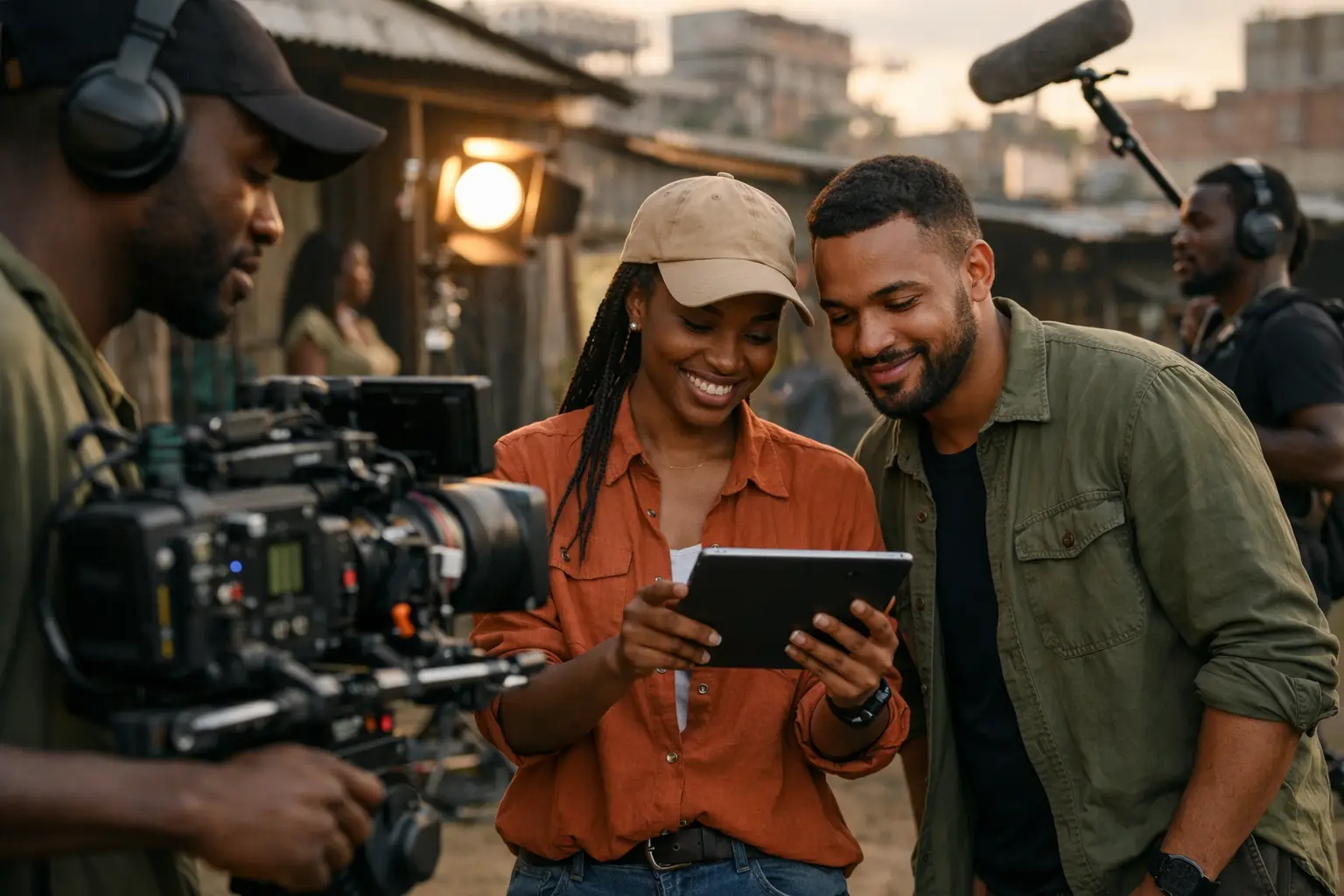
A production can have a strong script, a polished treatment, and a confirmed location, then lose momentum because the right people are not in the right departments. When project owners search for a film crew Kenya can depend on, they are not simply filling positions. They are building the working engine behind every shot, setup, sound take, schedule change, and delivery deadline.
Whether you are producing a commercial, music video, branded campaign, documentary, short film, or social-first content series, crew hiring should begin well before the first call sheet. The best team is not always the biggest or most expensive one. It is the team with the right technical ability, local knowledge, communication style, and availability for the scale of your production.
Start With the Production, Not the Job Titles
A common hiring mistake is posting broad requests for a “camera person” or “production assistant” before the project has been properly scoped. That can bring in many interested applicants, but it makes it harder to identify who can actually deliver what the project needs.
Begin with the creative and operational facts. What is being made? Where will it be shot? How many shoot days are planned? Is the final content intended for television, cinema, YouTube, a brand campaign, or vertical social channels? A cinematic car commercial requires a very different crew structure from a two-person interview series or a fast-moving event recap.
Your brief should state the expected deliverables, shoot dates, locations, budget range where possible, preferred experience, and who has decision-making authority on set. It should also make clear whether crew members are expected to bring their own equipment or work with hired gear. This level of detail helps qualified professionals assess the job quickly and protects everyone from vague expectations later.
The Core Roles on a Film Crew in Kenya
The final structure depends on the project, but most productions need clear ownership across production, camera, lighting, sound, art, wardrobe, makeup, and post-production. On a smaller production, one experienced person may cover more than one function. On a larger set, combining departments too aggressively can create avoidable delays and compromise quality.
A producer or production manager keeps the operation moving. They handle schedules, crew coordination, permits, budget tracking, transport, meals, location needs, and the constant decisions that happen outside the frame. For a producer working across multiple locations, this role can be the difference between a controlled shoot and a costly scramble.
The director of photography leads the visual language, working with the director to shape composition, lens choices, camera movement, exposure, and lighting direction. Depending on the project, the camera department may also include a camera operator, first assistant camera, data technician, drone operator, or gimbal specialist.
Sound deserves early attention, especially for dialogue-led work. A skilled location sound recordist can manage microphones, boom placement, audio monitoring, room tone, wireless systems, and environmental challenges that are difficult or impossible to repair in post. If a project includes interviews, scripted scenes, live events, or performances, sound should not be treated as an afterthought.
The lighting and grip team translates visual intention into a workable setup. A gaffer, lighting assistants, and grip crew help control light, power, rigs, modifiers, safety, and camera support. Their value rises quickly when shooting involves night scenes, controlled interiors, challenging exteriors, vehicle work, or ambitious lighting references.
For productions with talent on camera, hair and makeup artists, wardrobe stylists, art directors, set dressers, and props professionals carry real storytelling responsibility. Their work shapes credibility, brand consistency, continuity, and the visual finish of every frame. Bring them into planning early enough to prepare rather than asking them to solve everything during call time.
Hire for Credits, Communication, and Fit
Reels and credits matter, but they are only part of the decision. A beautiful reel does not automatically prove that someone can work within a tight schedule, collaborate under pressure, or adapt when weather, talent availability, traffic, or location access changes the plan.
Review samples that resemble your actual assignment. If you are filming a beauty campaign, ask for relevant commercial or fashion work. If you are producing a documentary, look for evidence of strong interview lighting, clean sound, discretion, and a natural approach to real people. A crew member may be talented in several formats, but role-specific proof reduces hiring risk.
Then have a practical conversation. Ask what equipment they typically use, how they approach a shoot day, what information they need before call time, and how they handle schedule changes. Experienced crew members usually ask useful questions in return. They want to know about locations, creative references, deliverables, access times, power availability, talent requirements, transportation, and approvals.
Professional fit matters too. Some jobs need a highly structured crew that can execute a locked plan. Others need resourceful collaborators who can work lean and make decisions quickly. Neither approach is better in every situation. The right choice depends on your budget, client expectations, and the complexity of the production.
Plan Local Logistics Before You Confirm the Crew
Kenya offers a wide range of production settings, from city streets and studio spaces to coastal locations, rural landscapes, and wildlife environments. That variety is a creative advantage, but it can increase planning demands. Travel times, accommodation, access restrictions, weather conditions, power needs, local permissions, and gear transportation should be considered before contracts are finalized.
If your shoot is outside the crew’s base, clarify who covers travel days, lodging, per diems, local transport, and equipment movement. A low crew rate can become less economical if the schedule requires last-minute travel or multiple vehicle hires. Likewise, a locally based specialist may save time and cost through familiarity with the area, trusted rental contacts, and practical location knowledge.
Permissions and safety must be part of the production conversation, not a last-minute administrative task. Certain locations may require approvals, security arrangements, insurance documentation, site representatives, or additional safety personnel. A line producer or production coordinator with local experience can flag these requirements early and keep the creative team focused on the work.
Build a Clear Crew Agreement
Verbal agreements are not enough when a job involves multiple departments, rented equipment, client deliverables, or changing schedules. A straightforward written agreement gives the production and crew a shared reference point.
Confirm the role, dates, call-time expectations, agreed rate, payment terms, overtime policy, travel arrangements, equipment responsibility, cancellation terms, crediting, and usage rights where relevant. For editors, photographers, composers, and other post-production contributors, specify revision rounds, delivery formats, file handover, and project ownership.
This is not about adding unnecessary bureaucracy. It is about preventing confusion. If an extra shoot day is added, everyone should know how it will be handled. If a camera package is damaged, there should be clarity on insurance and responsibility. If a client requests a major scope change, the crew should not be expected to absorb the additional work without discussion.
Use a Crew Marketplace to Reduce the Search Time
Finding a reliable crew through informal referrals can work, but it can also limit your options and create a chain of unverified availability checks. A creative marketplace gives project owners a more organized way to post opportunities, compare profiles, review specialties, and connect with professionals across multiple production categories.
Fameidols Talent Network is built for this kind of production workflow. Instead of treating crew hiring, casting, coaching, equipment rental, studio bookings, and location sourcing as disconnected tasks, project owners can approach them through one creative-industry network. That is especially useful when a project changes scale and you need to add a stylist, editor, production assistant, lighting technician, or rental provider without restarting the search from scratch.
For crew professionals, a detailed profile is not just a digital résumé. It is a chance to show your niche. A cinematographer can highlight commercial lighting or documentary camera work. A makeup artist can show beauty, editorial, bridal, or character work. An editor can identify expertise in short-form campaigns, music videos, corporate storytelling, or color workflows. Specificity helps the right projects find you.
Keep the Crew Aligned From Call Sheet to Wrap
Hiring is only the first decision. Once the team is confirmed, share the creative brief, script or treatment, shot list, schedule, contact sheet, location details, wardrobe notes, brand guidelines, safety information, and approval process in good time. Crew members should not be seeing essential references for the first time on set.
A short pre-production meeting can prevent major friction. Use it to confirm the day’s priorities, who signs off on creative decisions, how footage will be managed, when meals and breaks are planned, and what happens if the schedule slips. On multi-day shoots, a brief end-of-day check-in helps the team solve issues before they become tomorrow’s delays.
The strongest productions make crew members feel like skilled partners, not interchangeable hands. Give people enough information to do excellent work, respect the boundaries of their roles, and pay according to the agreement. When you build that reputation, experienced professionals are more likely to return for the next project and recommend other capable people when your production grows.
Your next shoot does not need a larger crew by default. It needs a crew with clear responsibilities, realistic support, and room to do their best work. Start with the brief, hire with intention, and create the conditions that let great production talent deliver.
Leave your comment
You must be logged in to post a comment.