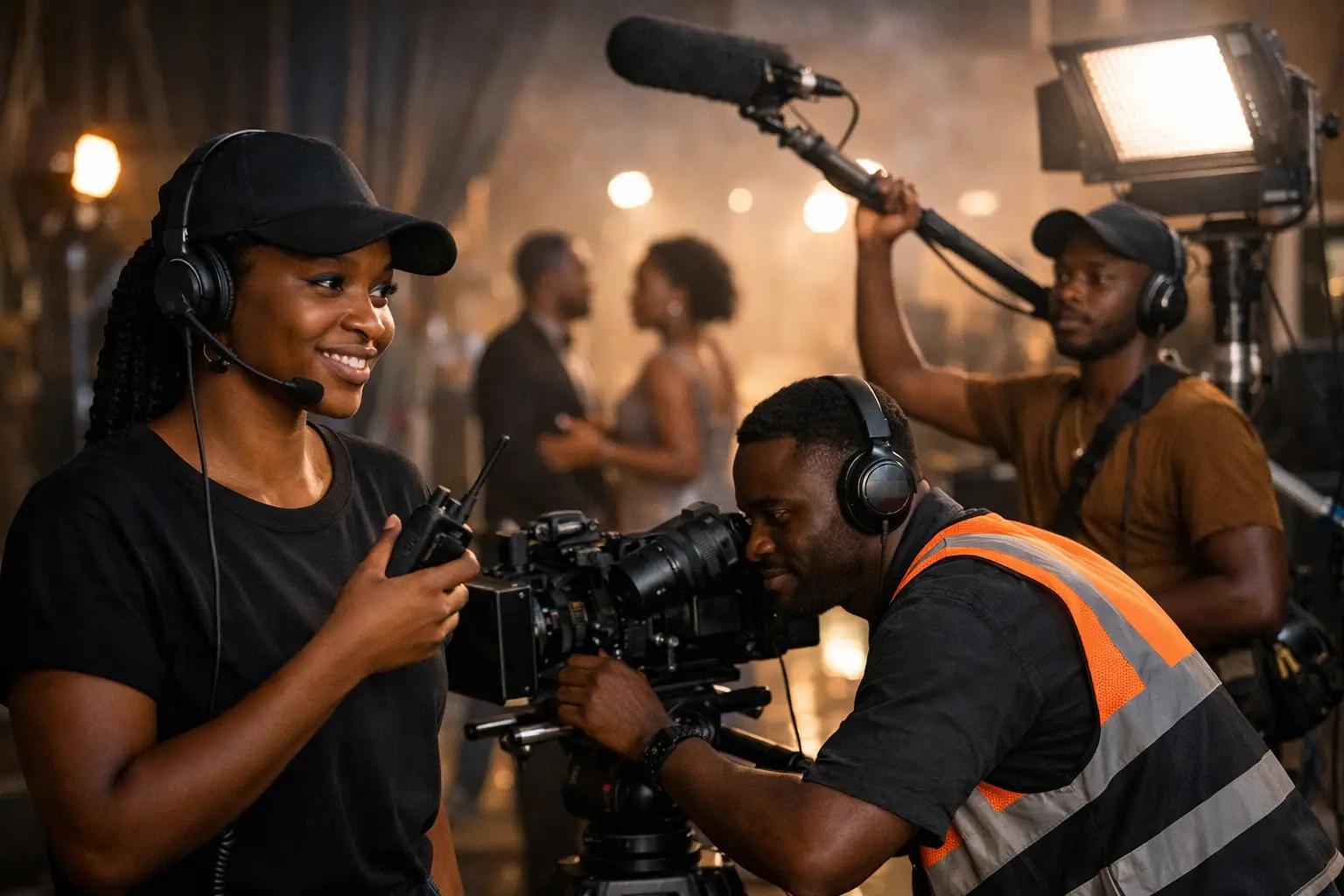
A production can have a strong concept, great talent, and expensive gear, then still fall apart because the backstage crew roles were unclear. That is usually where delays start – missed cues, duplicated tasks, broken communication, and preventable overtime. If you are hiring for a shoot, staging a live event, or building your own path behind the scenes, knowing who does what is not a nice-to-have. It is how real work gets done.
Backstage teams rarely get the spotlight, but they carry the schedule, the setup, the safety, and the pace of execution. In film, fashion, digital content, and live production, these roles can look different from one project to the next. A lean creator shoot may combine three jobs into one person. A bigger production may split every department into specialized positions. That flexibility is part of the job, but the core responsibilities stay familiar.
What backstage crew roles actually cover
When people say backstage crew, they often mean anyone working off camera or off stage to make the production run. That includes technical operators, support staff, coordinators, assistants, and department leads. The exact lineup depends on budget, format, venue, and timing.
On a fashion show, backstage can mean dressers, stage managers, hair and makeup teams, stylists, runners, and production assistants. On a branded video shoot, it may include camera assistants, gaffers, sound recordists, art department support, and script supervisors. On a concert or event, the team might center around stagehands, lighting techs, audio engineers, and cue callers.
That range matters because hiring the right person starts with naming the role correctly. If you post for a general crew member when you really need someone who can manage wardrobe changes under pressure, you will waste time reviewing the wrong applicants. The same goes for talent building a profile. Clear positioning helps the right projects find you faster.
The most common backstage crew roles on production jobs
Some crew roles appear across almost every production format because they solve the same operational problems.
Production assistants and runners
These are often the first people keeping movement on track. They help with call sheets, talent coordination, errands, set support, crowd control, and general problem-solving. On smaller jobs, they become the glue between departments. It is entry level in some cases, but not low impact. A capable PA can save hours in a single day.
The trade-off is that the role is broad. That makes it good for learning the full production flow, but it can also mean unclear expectations if the production is poorly organized. For project owners, that is a sign to define tasks before the day starts.
Stage managers and floor managers
These roles are about control, timing, and communication. A stage manager keeps live productions synchronized backstage, while a floor manager often handles coordination on studio floors or event spaces. They cue movement, manage transitions, and make sure departments are aligned when timing matters most.
This is not just a logistics role. It requires calm decision-making, authority, and the ability to communicate fast without creating confusion. When the show is moving in real time, there is no room for vague instruction.
Lighting crew
Gaffers, lighting technicians, and assistants shape visibility, tone, and technical consistency. Good lighting supports the creative direction, but it also affects speed. If setups take too long or are unsafe, the whole schedule slips.
On smaller productions, one experienced lighting pro may handle setup and adjustments. On larger sets, the lighting department becomes more layered. Hiring here depends on complexity. A beauty campaign, music video, and interview setup do not need the same crew depth.
Sound crew
Sound problems are expensive because they are not always obvious until after recording. Roles in this department can include production sound mixers, boom operators, and audio techs. In live settings, you may also need front-of-house and monitor engineers.
This is one of the easiest areas to underbudget and regret later. A strong visual can survive minor compromises. Bad audio usually cannot. For freelance crew, sound is a strong niche because reliable specialists are always in demand.
Wardrobe, styling, and dressers
In fashion, media, and branded content, backstage styling roles are critical to continuity and presentation. Stylists shape the look, but dressers and wardrobe assistants keep it workable under time pressure. Quick changes, garment prep, accessory tracking, and continuity all happen here.
These roles require speed and attention to detail. They also demand professionalism around talent. A great dresser is organized, discreet, and adaptable when fittings change or timelines tighten.
Hair and makeup support
Hair and makeup teams are sometimes discussed separately from backstage crew, but operationally they are central to backstage execution. Assistants in these departments handle kit setup, sanitation, scheduling support, and touch-ups between takes or appearances.
If your production includes multiple talent looks, weather exposure, or long shooting hours, this team becomes even more important. Cutting this area too tightly often creates delays later in the day.
Art department and set support
Props, set dressing, resets, and visual continuity often sit with the art department. On commercial sets and content shoots, support crew in this area help build the world the audience sees, even if they never appear on camera.
This department tends to matter more than clients expect. Small visual details can shape brand quality, and reset speed affects how many usable scenes you capture in a day.
Why backstage crew roles matter in hiring
Project owners usually feel the impact of backstage crew in three places – time, quality, and risk. Time is obvious. Skilled crew reduce delays because they know what to prepare before they are asked. Quality improves because specialists protect the technical standard of the work. Risk drops because experienced crew understand set etiquette, equipment handling, cue discipline, and safety basics.
The hard part is that not every production needs a full crew structure. Overhiring can waste budget. Underhiring can break the day. The right decision depends on the size of the project, the turnaround time, and how much specialization the output actually needs.
A social content shoot for one creator may work with a compact team. A multi-look fashion campaign or live-streamed event usually needs clearer departments. That is why role definitions matter more than crew size alone.
How to choose the right backstage crew roles for your project
Start with pressure points, not job titles. Ask where the production is most likely to slow down or fail. Is it fast wardrobe turnover, live timing, sound capture, set movement, or talent coordination? Once you identify those friction points, the right hires become easier to define.
Then look at what can reasonably be combined. Some freelancers can handle hybrid responsibilities, especially on smaller productions. That can be efficient, but only if the tasks do not peak at the same time. A person cannot manage live cues and solve wardrobe emergencies at once if both are happening every five minutes.
It also helps to hire for workflow fit, not just credits. Someone who is highly experienced in narrative film may not be the best match for a rapid-turn social campaign. Likewise, a backstage dresser used to runway pace may outperform a more general wardrobe assistant when quick changes are the whole challenge.
Building a career in backstage crew roles
For freelancers, backstage work can open a durable career path because productions always need people who make execution easier. The strongest profiles are usually specific. Instead of presenting yourself as available for anything, position yourself around the jobs you handle best – production assistant for commercial shoots, backstage dresser for fashion events, boom operator for interviews and branded content, or stage manager for live events.
That does not mean staying rigid. Early in your career, range can help you get booked. Over time, though, niche clarity usually creates better opportunities and stronger rates. Clients hire faster when they can see where you fit.
Presentation matters too. Your experience should show more than enthusiasm. Mention the types of productions you have supported, the equipment or workflows you know, and the environments you handle well. In growing creative markets like Nigeria, Kenya, Ghana, and South Africa, that kind of specificity can help freelancers stand out as project volume expands across film, events, fashion, and branded media.
Backstage crew roles are not interchangeable
This is where many productions lose momentum. They treat backstage labor as one pool of help instead of a set of distinct skills. But backstage crew roles are not interchangeable when timing, safety, or technical output is on the line. A reliable runner is not automatically a floor manager. A stylist is not the same as a dresser. A camera assistant is not a lighting tech.
That does not mean every project needs a large team. It means every project needs honest planning. If you know which roles affect your output most, you can hire smarter, brief faster, and get more from your budget.
Platforms built for creative execution make that process easier because they let project owners find specialized support without piecing together crew from scattered channels. For talent, that same structure creates visibility around real, searchable skills instead of generic availability.
The strongest productions are not always the biggest ones. They are the ones where every person backstage knows their lane, communicates well, and helps the work move forward without friction. That is where opportunity grows – for crews ready to find their niche and for project owners ready to work with the best in the industry.
Leave your comment
You must be logged in to post a comment.