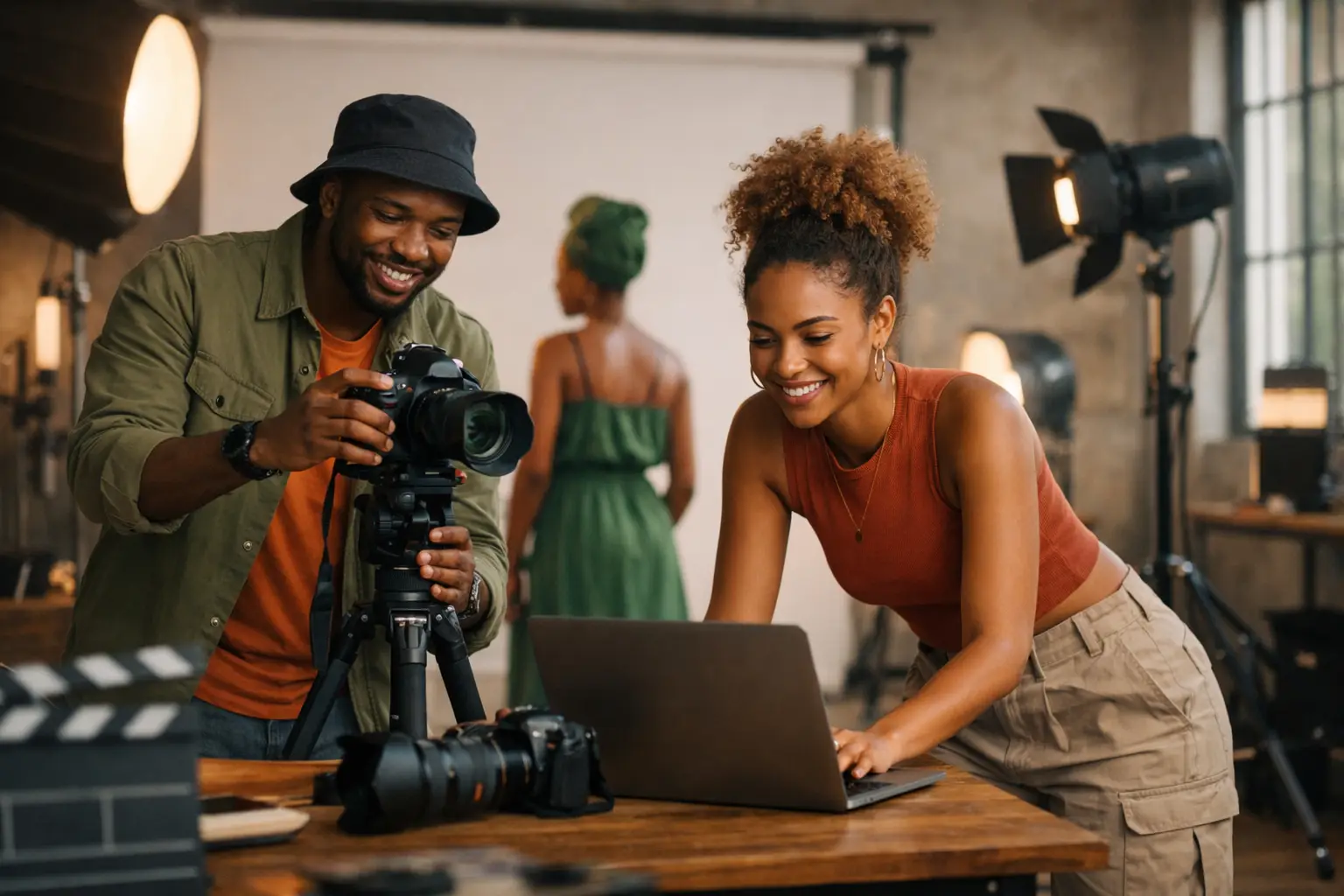
A studio can make a modest production look intentional or turn a well-planned shoot into a costly scramble. When searching for studio rentals South Africa, the goal is not simply to find four walls and an available date. You need a working production environment that supports your concept, keeps crew moving, and gives your cast, client, or creator room to perform.
That means looking beyond the hero images. A daylight studio may be ideal for a fashion editorial but difficult for a controlled interview. A large warehouse can suit a music video, yet its sound, power, and access restrictions may add more work than expected. The right booking depends on the job in front of you.
Start With the Production Brief, Not the Studio Gallery
Before comparing spaces, define what the studio must do for the project. A concise brief helps producers, photographers, brand teams, and independent creators filter listings quickly and ask better questions before committing a deposit.
Start with the format: stills, social content, a product campaign, a casting session, a podcast, an interview, a commercial, or a music video. Then clarify the visual direction. Do you need clean white walls, a textured industrial setting, black-out capability, cyc walls, natural light, a kitchen set, or enough depth for a wide lens and a full lighting package?
Also account for the people and equipment that will occupy the space. A portrait shoot with one photographer and one model has very different requirements from a campaign day with clients, styling, hair and makeup, video crew, talent, catering, and gear cases. A studio that appears spacious in photos can become crowded once stands, cables, monitors, wardrobes, and people arrive.
For many productions, your short brief should establish:
- The shoot date, call time, wrap time, and whether setup or strike time is needed
- The number of cast, crew, clients, and visitors expected on site
- The required set dimensions, ceiling height, and shooting distance
- Lighting, grip, sound, power, internet, and equipment needs
- Accessibility, parking, loading, security, and location requirements
These details turn a general search into a practical booking decision. They also make it easier for a rental provider to confirm whether the space is a real fit rather than merely an attractive option.
Studio Rentals South Africa: What to Check Before Booking
A listing can answer the basics, but the most valuable information often comes from a direct production-focused conversation. Ask how the studio works on a live shoot day, not only what it looks like when empty.
Light Control Can Shape the Entire Schedule
Natural-light studios are popular for lifestyle, beauty, fashion, and creator-led content. They can deliver a polished result with less lighting equipment, especially when large windows, neutral finishes, and open floor plans work with the creative direction. The trade-off is control. Window direction, changing weather, shifting sunlight, and reflective surfaces can alter the look from one hour to the next.
If visual consistency matters, ask whether windows can be blacked out and whether the studio has curtains, flags, diffusion, or a separate controlled shooting area. For video, ask whether exterior light or traffic movement is visible in frame. A short pre-production visit can prevent a long lighting reset on the day.
Sound Is a Deal Breaker for Dialogue
Studios built for photography are not automatically suitable for recorded dialogue. Street noise, nearby construction, air conditioning, echo, elevators, and neighboring businesses can interrupt interviews, podcasts, voice work, and commercial scenes.
Ask whether the room has been used for sound recording and whether air conditioning can be adjusted during takes. If the studio cannot offer controlled audio, it may still be right for silent visual content, b-roll, product shots, or a music video with playback. The key is to match the space to the production rather than force the production to work around a limitation.
Access and Logistics Protect Your Call Sheet
A beautiful studio is less useful if your lighting truck cannot get close, your talent has nowhere secure to wait, or gear must be carried up several flights of stairs. Confirm loading access, lift dimensions, parking options, entry times, security procedures, and whether a site representative will be available.
For productions with models, actors, or public-facing talent, ask about changing areas, makeup stations, mirrors, restrooms, and a private holding space. For larger crews, check whether there is a client area, a place for catering, and a safe route for cables. These are not extras. They affect pace, privacy, and professionalism.
Location matters too. In Johannesburg, Cape Town, Durban, and other production centers, travel time can reshape a schedule quickly. A studio closer to talent, equipment suppliers, or the next location may cost more on paper but save enough in transport and overtime to be the better value.
Understand the Real Cost of a Studio Day
The hourly or daily rate is only one part of the budget. Confirm what the rental fee includes and what is billed separately. Some spaces include basic furniture, background options, Wi-Fi, cleaning, and a studio assistant. Others charge for equipment, after-hours access, cyc-wall repainting, cleaning, overtime, generators, security, or damage deposits.
Ask for the full booking window. If your crew needs an hour to build the set and an hour to clear it, a six-hour shoot may require an eight-hour reservation. Rushing setup is one of the easiest ways to lose usable shooting time and create avoidable safety issues.
It is also smart to clarify the cancellation and rescheduling terms before paying. Production changes happen: weather affects travel, a client changes the brief, a key performer is unavailable, or a campaign approval takes longer than planned. Flexible terms can carry a higher rate, but they may be worthwhile for projects with moving parts.
Build a Booking Process Your Team Can Repeat
The strongest production teams do not choose a studio based on price alone. They compare a small number of realistic options against the same criteria: creative fit, technical suitability, logistics, total cost, availability, and provider responsiveness.
Request current photos or a walkthrough if the visual condition of the studio is central to the campaign. Confirm whether the furniture, backdrop colors, props, and equipment shown are included and available for your date. If you are planning a high-stakes client shoot, schedule a recce with your director, photographer, cinematographer, or production designer. Their perspective can identify framing constraints or practical problems before they reach the call sheet.
Once you select a space, put the agreed details in writing: booking hours, included facilities, crew limits, equipment, site rules, payment schedule, overtime rate, and the contact person for shoot day. Share those details with department leads early. Your gaffer needs to know power capacity. Your stylist needs to know the changing setup. Your production assistant needs loading instructions before the first van arrives.
A specialized marketplace can make this process faster by bringing studio providers alongside the people who make the work happen. On Fameidols, project owners can approach production planning as one connected workflow: source the space, then find cast, crew, creators, coaches, and practical support aligned to the brief.
Give the Studio Time to Work for You
A studio rental is not just a location line in a budget. It is the working base for your creative decisions, your team’s energy, and the pace of the final deliverables. Book the space that supports the actual shoot, leave room for setup and problem-solving, and treat the provider as part of the production chain. When the environment is right, your team can spend less time adapting and more time making work worth showing.
Leave your comment
You must be logged in to post a comment.