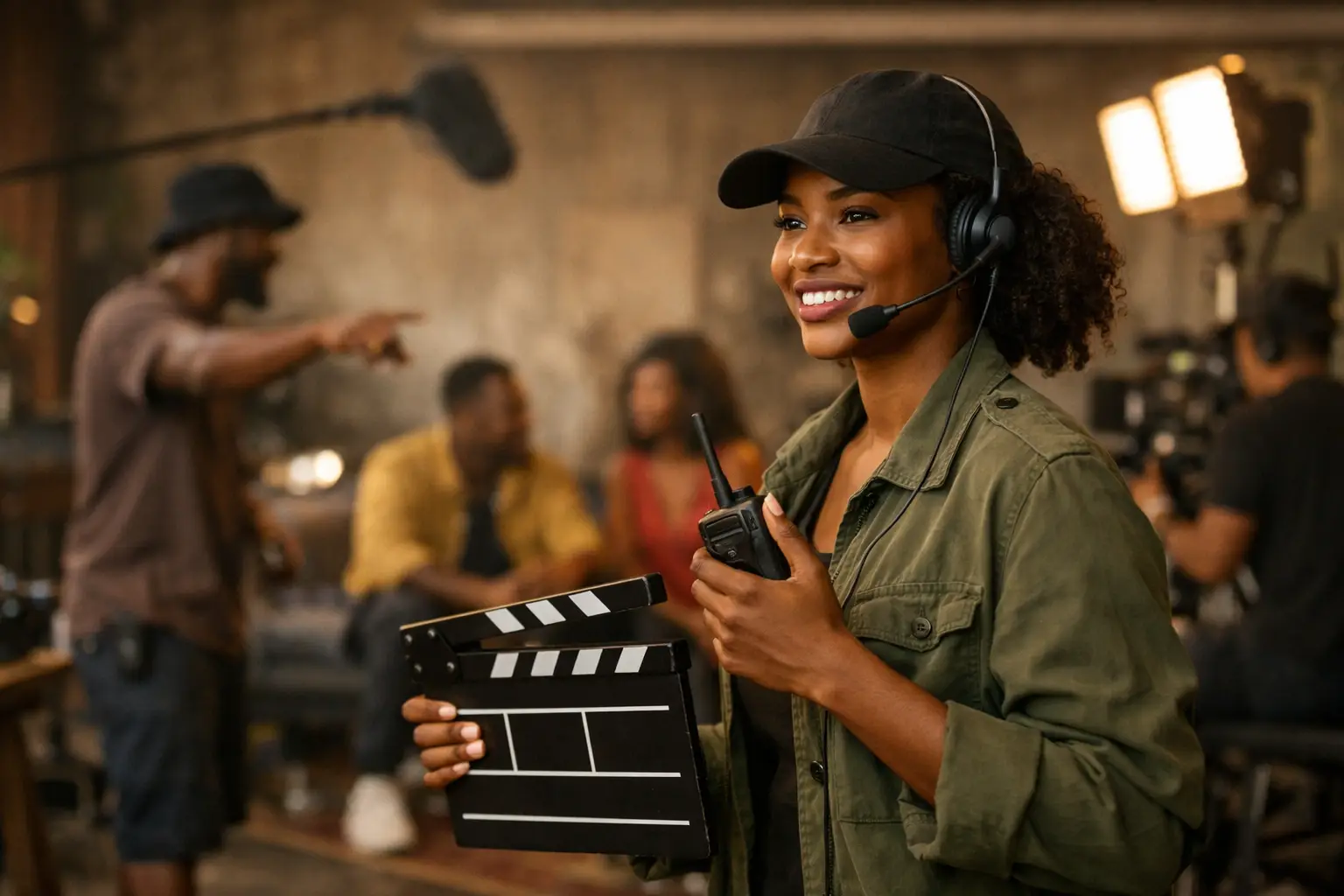
A late call sheet, a missing release form, a client waiting for an update, and a gear pickup due across town: production rarely slows down because the creative vision is weak. It slows down when no one owns the moving parts. When you need to find freelance production assistant support, the right person can turn a pressured shoot day into an organized, well-run operation.
A freelance production assistant, often called a PA, is not simply an extra pair of hands. They are practical problem-solvers who help the production stay on schedule, communicate clearly, and handle the details that keep cast, crew, vendors, and clients moving in the same direction. For commercials, music videos, social campaigns, editorial shoots, films, and live content, that support can be the difference between a controlled set and an expensive scramble.
Know What Your Production Assistant Will Own
Before you start searching, define the work. “Need a PA” is not a complete brief, and vague requests tend to attract vague matches. A strong role description tells candidates what kind of production they are walking into, where they can add value, and what success looks like on the day.
Production assistant responsibilities change by project size. On a small branded-content shoot, a PA may manage production runs, keep track of call times, help load equipment, coordinate meals, and support the producer with talent releases. On a larger set, they may be assigned to a specific area such as talent, locations, office support, art department runs, lockups, or transportation.
Start by deciding whether you need general support or a specialist-minded PA. General PAs are ideal for fast-moving sets where priorities shift constantly. A location PA is more useful when permits, neighborhood access, parking, and crowd control matter. A talent PA can be a better fit for a casting-heavy campaign, fashion shoot, or production involving influencers and multiple wardrobe changes.
Also be realistic about the level of experience required. An emerging PA can be highly capable for a structured day with a clear production coordinator and defined tasks. If you are working on a complex multi-location shoot, managing high-profile talent, or operating with a lean senior team, paying for someone with proven set experience may reduce risk and save time.
How to Find Freelance Production Assistant Candidates
The fastest route is not always the best route. A last-minute group message can fill a slot, but it may leave you with someone whose availability, location, set etiquette, or work style is unknown. For projects with real timelines and client expectations, use a hiring process that gives you enough information to make a confident decision without creating unnecessary admin.
Post a specific opportunity in a creative marketplace where freelancers are already looking for production work. On Fameidols, project owners can search a network built around creative roles and production needs, helping them move from talent discovery to practical execution in one place. This is particularly useful when your shoot also requires cast, creators, a studio, equipment, or other production resources.
Your post should state the production type, shoot date, approximate hours, location, rate or budget range, and the core tasks. Mention whether the role is local, whether transportation is required, and whether the candidate needs a valid driver’s license or experience with production vehicles. If the PA will interact with clients or talent, say so. The strongest candidates want enough context to determine whether they are the right fit.
A useful brief might read like this in practice: a one-day beauty campaign needs a reliable PA to support the producer and photographer, coordinate talent arrivals, assist with gear loading, manage craft services, and run local errands. The candidate should be comfortable with call sheets, have access to a smartphone throughout the day, and be able to work on their feet. That level of detail attracts applicants who understand the role rather than people applying to every listing.
Vet for Reliability, Not Just Credits
A long resume is helpful, but a production assistant is hired for operational judgment. You need someone who shows up early, listens closely, communicates changes quickly, and does not freeze when a plan changes. Those traits can be more valuable than an impressive but unrelated list of credits.
Review each candidate’s availability first. A talented PA who cannot commit to the prep call, early crew call, or likely wrap time may create a gap when you can least afford one. Then look for relevant experience: similar shoot scale, client-facing work, location familiarity, driving experience, gear handling, or department-specific support.
A short conversation can reveal far more than a profile. Ask how they would prioritize competing requests from a producer, a talent manager, and a department lead. Ask what they do when an item on the run list is unavailable. A strong answer does not need to be polished. It should show calm thinking, clear escalation, and a habit of confirming details before acting.
References are worth requesting when the role carries real responsibility, especially for multi-day shoots, sensitive locations, or work involving expensive equipment. For a smaller project, reviews, portfolio details, and a clear pre-production conversation may be enough. The right level of vetting depends on the stakes.
Set Terms Before the Call Time
Production work moves quickly, but assumptions still cost money. Confirm the agreement in writing before the shoot. This protects both the project owner and the freelancer and gives everyone a reliable reference when the day becomes busy.
Cover the agreed rate, payment timing, expected hours, overtime terms, meal arrangements, transportation, parking, and any reimbursement process for approved purchases. Be clear about who authorizes expenses. A PA should never be left guessing whether they can pay for an urgent supply run or whether they will be repaid.
Share the call sheet, point of contact, production schedule, address, access instructions, dress expectations, and safety information as early as possible. If the set has confidentiality requirements, restricted photography, or client approval protocols, communicate those before arrival. Good onboarding is not bureaucracy. It lets a freelance PA start contributing from the first call time.
Make the Role Work on Set
Hiring well is only half the job. The way you manage your PA affects the entire production. Start with a quick orientation: who is leading which department, what the day’s non-negotiables are, where supplies are kept, and how communication should flow. A new freelancer should know whom to ask before making decisions that affect schedule, spending, talent, or safety.
Give instructions in priorities, not in a flood of disconnected tasks. For example, tell the PA that keeping talent on schedule and maintaining the gear load-out area are the first priorities, then add errands as needed. When everything is presented as urgent, nothing is clear.
Check in at natural transition points, such as before talent arrival, after lunch, before a company move, and ahead of wrap. This gives the PA a chance to flag problems early. It also prevents the producer from discovering at the end of the day that a release is missing, a rental return has not been arranged, or transportation plans changed without anyone recording them.
Respect matters here, too. PAs often handle essential work that is easy to overlook when a set is under pressure. Give direct feedback, keep requests professional, provide breaks and meals as agreed, and pay on time. The freelancers who become your dependable go-to crew remember how they were treated when the work was hard.
Build a Crew Bench Instead of Starting Over
Every completed project is a chance to improve the next hire. After wrap, make a few notes while the day is fresh: Did the PA arrive prepared? Were they proactive without overstepping? Did they communicate clearly? Would you trust them with a more complex assignment next time?
Keep the people who performed well close to your production network. A trusted bench gives you speed without sacrificing quality, whether you are producing a campaign in Lagos, Nairobi, Accra, or Johannesburg, or assembling a crew for a new content format. It also gives freelancers a clearer path to repeat work and stronger industry relationships.
The right production assistant will not replace a producer, coordinator, or department lead. They will make each of those roles more effective by protecting the details that consume time and attention. Write a focused brief, hire for reliability, set clear terms, and give your PA the information needed to succeed. Your next shoot deserves support that keeps the creative work moving.
Leave your comment
You must be logged in to post a comment.