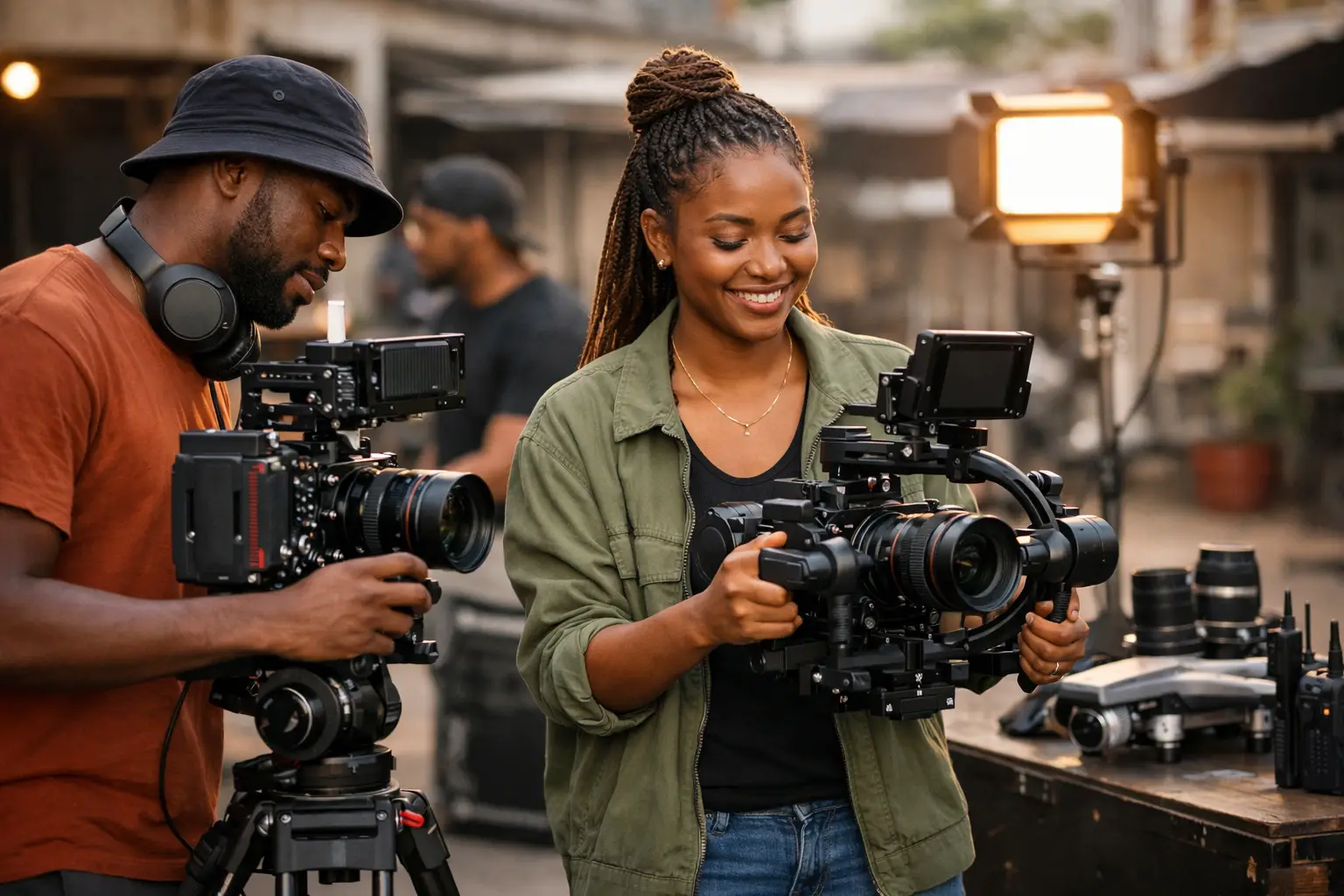
A camera body is only the beginning of a shoot. The top equipment rentals for filmmakers are the tools that help a lean crew control the image, capture clean dialogue, move safely, and solve problems before they slow down the day. Whether you are producing a short film, branded campaign, music video, or social-first series, renting lets you build the right package for the brief without tying up your budget in gear that may sit unused next month.
The strongest rental decisions start with the production plan, not a list of impressive equipment. Consider your shooting locations, available crew, delivery schedule, post-production workflow, and the final platforms where the work will be seen. A compact interview shoot and a night exterior drama need very different kits, even if both call for a cinema camera.
Top Equipment Rentals for Filmmakers by Production Need
Cinema cameras and recording media
A rental camera package can give a project the resolution, dynamic range, codecs, and lens compatibility it needs without the major cost of ownership. For narrative work, commercials, and high-end branded content, filmmakers often rent cinema camera bodies that support professional monitoring, timecode, external power, and flexible recording formats.
Do not choose a camera based on specifications alone. Ask whether your editor can work comfortably with the codec, whether the project needs internal RAW recording, and how much media and storage a full shooting day will generate. A camera that produces beautiful files can still become a bad choice if the crew lacks enough cards, readers, drives, batteries, or time to manage them.
The rental package should include the practical essentials: charged batteries, chargers, media, a card reader, appropriate cables, and a dependable monitor when the camera’s built-in display is not enough for framing and exposure. If the project uses multiple cameras, confirm that frame rates, color profiles, and timecode plans match before the first take.
Lenses that match the visual language
Lenses affect a film’s personality as much as the camera body. Prime lens sets are a strong option when you want a consistent look, wider apertures, and a more intentional shooting rhythm. Zoom lenses offer speed when the schedule is tight, the location is unpredictable, or the production needs coverage without frequent lens changes.
A compact documentary crew may prioritize a versatile zoom, image stabilization, and fast setup. A fashion film may need characterful primes, close-focus capability, and careful control of depth of field. For product work, macro lenses and precise focus support can matter more than an ultra-wide aperture.
Before booking, check mount compatibility, focal-length coverage, front filter sizes, minimum focus distances, and lens weight. A heavy cinema zoom may be ideal on a tripod or studio setup but frustrating on a small handheld rig. Rent the lenses that support the way your crew will actually work.
Lighting, shaping, and power
Good lighting rentals create control. They let a filmmaker turn a mixed-light location into a consistent scene, give skin tones the attention they deserve, and make a modest space feel more cinematic. A useful lighting package usually combines a key light, fill or bounce options, practical enhancement, modifiers, stands, sandbags, and enough power distribution for the location.
LED fixtures are popular because they are efficient, adjustable, and often easier to manage in small spaces. However, bigger output still matters for daylight interiors, night exteriors, large sets, and situations where you need to push light through diffusion or create convincing motivated sources.
Do not rent lights without the grip tools that make them usable. Softboxes, lanterns, grids, flags, diffusion, reflectors, clamps, C-stands, and shot bags may not sound glamorous, but they give the lighting team control and keep the set safer. If you are filming in Nigeria, Kenya, South Africa, or Ghana, confirm local power availability, plug types, backup power needs, and whether a generator is required for the location.
Professional sound equipment
Audiences will forgive a slightly imperfect image faster than dialogue they cannot understand. Sound rentals are especially valuable for interviews, scripted scenes, documentary work, and live-action content where a poor recording cannot be easily repaired in post.
A practical sound package may include a field recorder, shotgun microphone, boom pole, shock mount, wind protection, wireless lavalier systems, headphones, and enough transmitters and receivers for the speaking roles. The right package depends on the environment. A controlled studio interview may need a simple boom and backup lav, while a busy event may require multiple wireless channels and careful frequency coordination.
Book an experienced production sound mixer when the dialogue is central to the project. Equipment does not replace a specialist who can manage microphone placement, monitor interference, capture room tone, and flag problems while there is still time to fix them.
Camera support and movement gear
Support equipment protects both the shot and the crew. At a minimum, many productions need a dependable tripod with a fluid head, quick-release plates, and a payload rating suited to the camera package. Add a monopod for fast-moving coverage, or a hi-hat and low-profile support when you need camera angles closer to the ground.
For movement, gimbals, sliders, dollies, handheld rigs, and shoulder mounts each create a different result. A gimbal can help produce smooth movement in tight spaces, but it demands balancing time, battery planning, and an operator who understands how to move with purpose. A slider may deliver a more controlled, repeatable move for a product shot or interview setup.
Larger tools such as jibs, cranes, vehicle mounts, and track dollies can create major production value, but they require more space, setup time, crew, and safety planning. Rent them when the shot earns the added complexity, not simply because the gear is available.
Monitoring, data, and communication tools
Small rental items often determine whether the day feels organized or chaotic. A director’s monitor helps the creative team evaluate framing and performance without crowding the camera operator. Wireless video systems can improve collaboration, although they introduce batteries, signal range, and latency considerations.
Data management is another area where cutting corners creates risk. Rent fast card readers, verified backup drives, and a laptop or data station capable of handling your camera files. Establish a routine to copy media to at least two separate drives, verify the transfer, and label every card and drive clearly.
For larger sets, radios and headsets help departments coordinate without shouting across locations. They are particularly useful when camera, lighting, art, talent, and production teams are working across different rooms or outdoor areas.
Build a Rental Package Around the Crew You Have
The best gear package is one your team can operate confidently. Renting an advanced camera system without a qualified camera assistant, or a complex lighting package without a gaffer, can increase pressure rather than improve the work. Be realistic about your crew’s experience, call time, and setup window.
A producer should also ask rental providers about replacement procedures, testing time, insurance requirements, pickup and return windows, and support if a critical item fails. Test every major component before leaving the rental house or before the crew call. Check camera settings, lens condition, audio levels, wireless frequencies, lighting output, cables, batteries, and mounting hardware.
A useful pre-booking checklist includes:
- The shot list, locations, schedule, and visual references
- The required crew roles and who will operate each specialized item
- Backup power, media, storage, and spare cables for critical systems
- Delivery, insurance, testing, and return arrangements
Rent for the Shot, Not the Status
High-end equipment can be valuable, but it is not automatically the right answer. A lightweight camera, one excellent lens, controlled lighting, and clear sound can outperform an oversized package that drains time and budget. Put your money where the audience will notice it: talent, production design, lighting control, sound quality, and the specific shots that carry the story.
For project owners, a creative marketplace can make the process more efficient by bringing rental options closer to the crew, coaches, and specialists needed to use them. On Fameidols Talent Network, the bigger opportunity is not just finding equipment. It is assembling the people and production resources that help turn a rental package into a finished piece of work.
Book with a clear plan, leave room for contingencies, and give your crew the tools they can use well. That is how rental gear becomes more than a line item – it becomes momentum for the production.
Leave your comment
You must be logged in to post a comment.