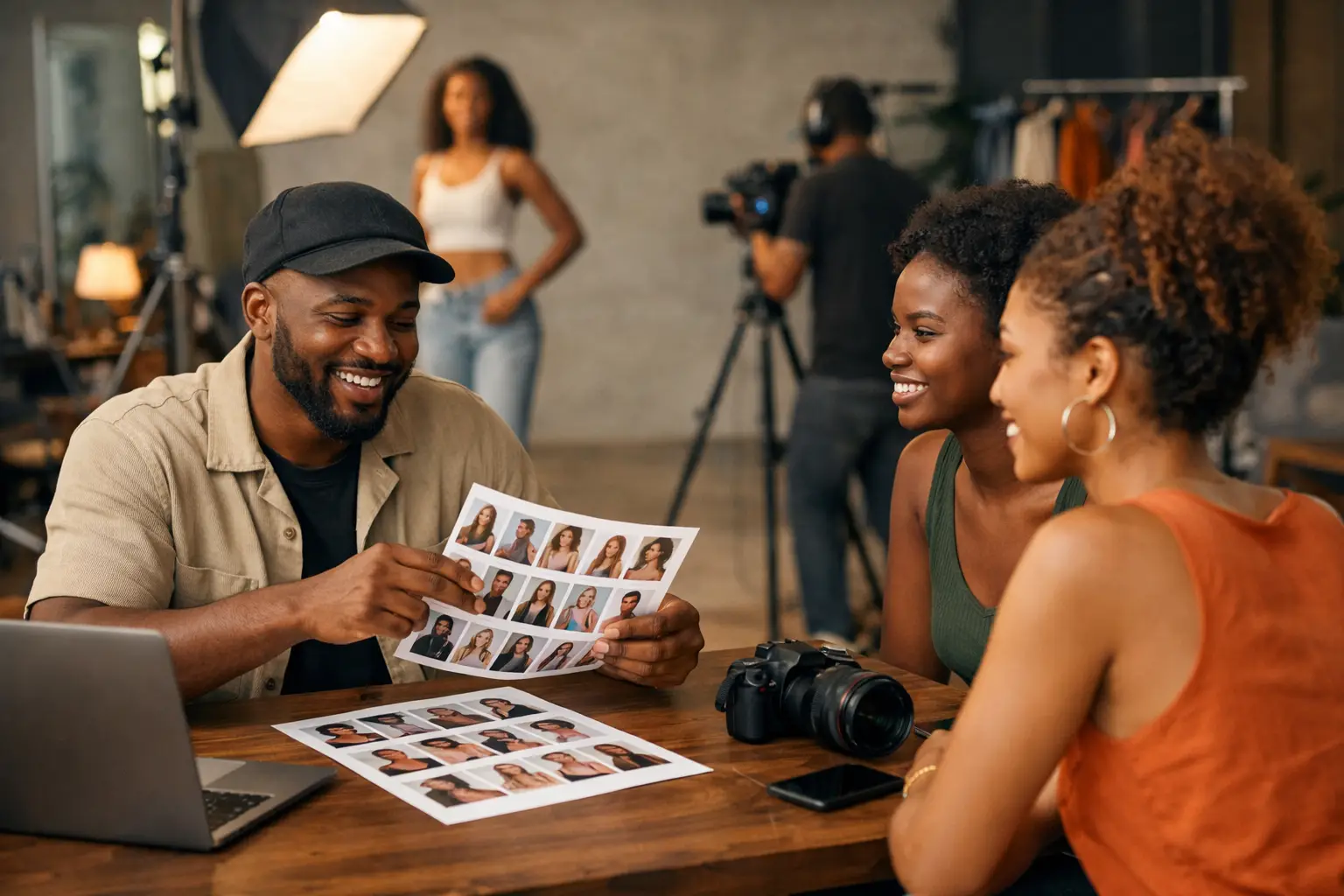
A model can change the entire read of a campaign before the audience hears a word. The right person brings credibility to a fashion lookbook, warmth to a product demo, energy to a music video, or the exact lifestyle signal a brand needs. Knowing how to hire freelance models is less about finding a recognizable face and more about matching a professional to the creative brief, production conditions, and commercial goals of the project.
For project owners, that means treating model hiring as a production decision, not a last-minute casting task. A strong process protects your budget, respects the talent’s work, and gives your photographer, director, stylist, and client a clearer path to a successful shoot.
Start With a Brief Models Can Act On
Before you search profiles or post a casting call, define what the model will actually be asked to do. “Looking for a model for a brand shoot” is too broad to attract the right applicants or produce useful submissions. Freelance models evaluate opportunities quickly, and a vague post can create confusion around expectations, pay, and usage.
Your brief should identify the project type, visual direction, audience, shoot date, location, expected call time, wardrobe requirements, and whether hair and makeup are provided. Be specific about the role. Are you casting a beauty model for close-up skin-care content, a fitness model for an activewear launch, a hand model for product photography, or talent who can speak naturally on camera for social content?
Also state the level of experience that matters. For a fast-moving e-commerce shoot, a model who understands posing, garment changes, and studio pace may be worth a higher rate. For an emerging lifestyle brand, a newer model with an authentic connection to the audience may be the better creative choice. Neither option is automatically better. It depends on the campaign, schedule, and amount of direction your team can provide.
How to Hire Freelance Models With the Right Fit
The best casting decisions balance visual fit with professional reliability. A portfolio tells you whether someone can create the look you need, but it should not be the only filter. Review the range of work in their book, including full-body images, close-ups, editorial work, video clips when available, and examples that resemble your planned shoot.
Look beyond follower counts and highly edited images. Ask whether the model can deliver the expression, movement, age range, styling, and on-camera confidence your concept requires. A polished portfolio is helpful, but a model who communicates clearly, arrives prepared, and takes direction well can save a production day.
When shortlisting, consider three practical areas: creative match, availability, and logistics. A model may be ideal on camera but unavailable for fittings, travel, or reshoots. Another may be local to your location and able to work within a tight call sheet. For productions in Lagos, Nairobi, Accra, or Johannesburg, local knowledge and reliable transport can make a meaningful difference to your schedule.
A specialized creative marketplace such as Fameidols can help project owners search talent within a production-focused network rather than assembling cast options across disconnected channels. The key is still the same: compare candidates against the brief, not just against one another.
Review portfolios for consistency, not perfection
A portfolio is a record of previous work, not a promise that every shoot will look identical. Lighting, styling, retouching, creative direction, and the photographer all influence the final image. Look for consistent strengths instead: posture, expression, movement, ability to wear different styling, and comfort in front of the camera.
If your campaign needs a specific capability, request relevant proof. For example, ask for a short self-tape for a talking-head ad, unretouched images for a beauty project, or a simple movement clip for dancewear. Keep requests proportional to the job. Asking finalists for a brief, targeted submission is reasonable; asking dozens of people to complete unpaid creative work is not.
Run a focused casting conversation
A short call, video meeting, or well-structured message can reveal what a portfolio cannot. Confirm availability, sizing where relevant, travel needs, experience with the format, and any boundaries that affect the shoot. Explain the concept plainly, especially when it involves swimwear, implied nudity, physical activity, unusual locations, long hours, or live audiences.
This conversation is also where you assess professionalism on both sides. Talent should have enough information to make an informed decision. Your team should know whether the model understands the required deliverables and feels comfortable with the role.
Set Rates, Usage, and Terms Before Booking
One of the most common mistakes in freelance casting is treating the day rate as the whole cost. It is not. A model’s fee may cover their time on set, while the rights to use their likeness are negotiated separately. If you plan to use images in paid ads, print, outdoor media, retailer displays, television, or multiple territories, spell that out before the booking is confirmed.
Be clear about where the content will appear, how long it will run, whether it can be edited or boosted, and whether exclusivity applies. Exclusivity means the model cannot work with competing brands for an agreed period, and it often carries an additional fee. A three-month social campaign for a local startup is a different agreement from global paid advertising that runs for two years.
Your written agreement should cover the following details:
- The shoot date, call time, location, expected duration, and overtime terms
- The agreed rate, payment schedule, travel reimbursement, and any fitting fee
- Usage channels, territory, duration, renewal options, and exclusivity limits
- Wardrobe, grooming, conduct expectations, cancellation terms, and reshoot arrangements
- Consent for the specific creative treatment, particularly for sensitive styling or concepts
Do not leave these points to a casual text exchange. A concise, readable agreement prevents assumptions later, especially when content performs well and a brand wants to extend the campaign.
Build a Professional Set Experience
Hiring the model is only the start. The production environment affects the work you receive and whether strong talent wants to work with you again. Send a call sheet ahead of time with address details, parking or transport instructions, the main contact, schedule, wardrobe notes, and expected breaks.
Make sure the set has a private changing area, drinking water, reasonable meal planning for longer days, and a clear point person for questions. If the model is under 18, follow applicable laws and safeguards, obtain the required permissions, and ensure a parent, guardian, or authorized chaperone is involved as needed.
Respectful direction is practical direction. Tell the model what the camera needs: “Turn your shoulder toward the window,” “hold the product at chest height,” or “give us a quieter expression for this frame.” Avoid vague feedback that forces talent to guess. When the work includes physical contact, revealing wardrobe, or emotionally intense material, discuss the boundaries before the camera rolls and preserve the model’s right to pause or decline anything outside the agreement.
Keep Communication Moving After the Shoot
Reliable hiring includes a clean finish. Confirm when payment will be processed, share any agreed selects or final assets, and communicate promptly if usage plans change. If you may need additional content, a reshoot, or an extension of rights, approach the model early with a clear offer rather than assuming the original agreement covers it.
Build a shortlist after every successful production. Note the model’s strengths, punctuality, availability, sizing details only where professionally necessary, and the types of work they enjoyed. Over time, that roster becomes a real advantage. You spend less time restarting the search and more time assembling teams that already understand your standards.
The right freelance model does more than fill a frame. They help turn a concept into believable creative work. Give talent a clear brief, fair terms, and a well-run set, and you will build the kind of reputation that attracts better collaborators for the next production.
Leave your comment
You must be logged in to post a comment.