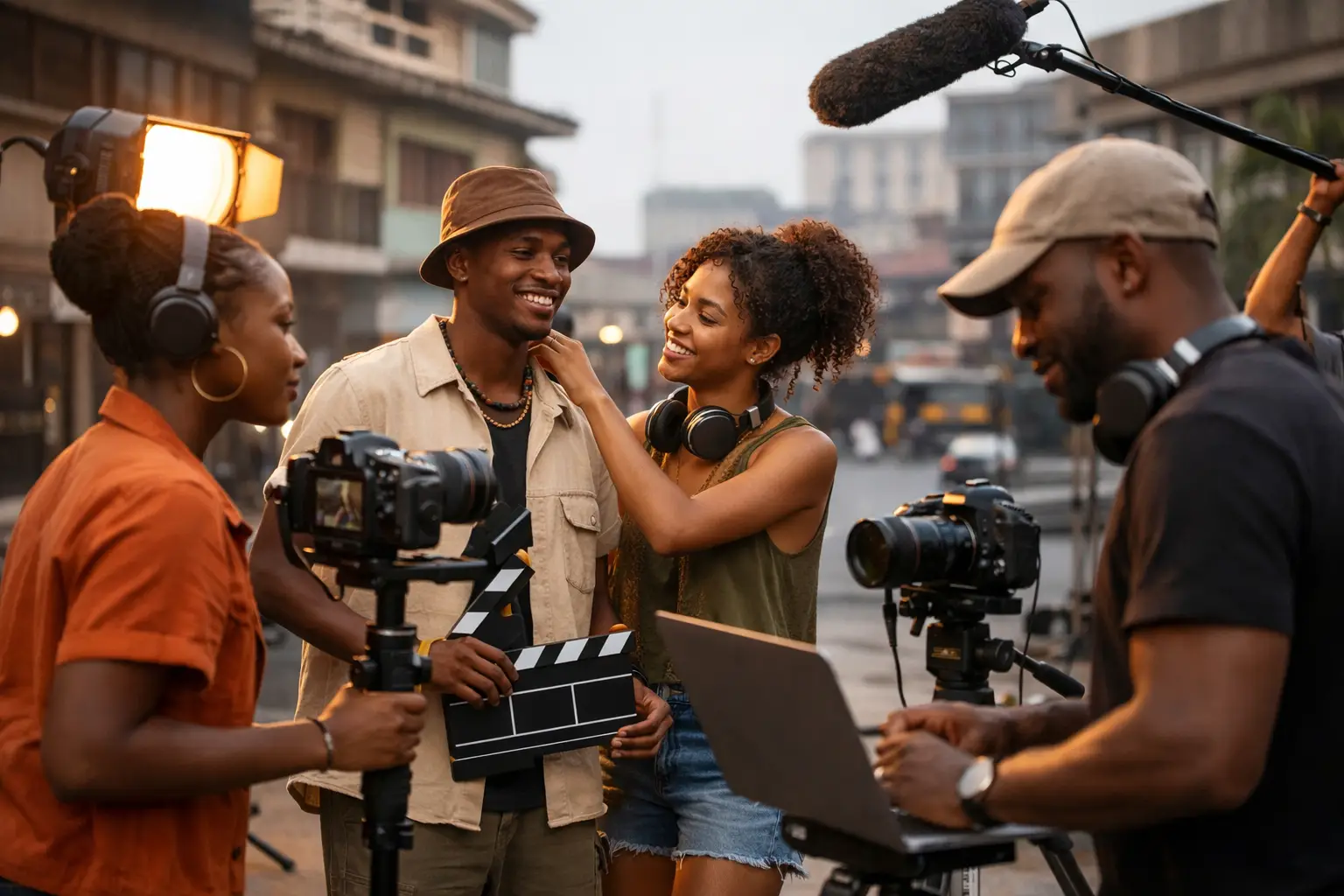
A campaign shoot loses money quickly when the editor is still being sourced, the right location is unavailable, or a cast member cancels without a backup. That is why creative freelancers in Nigeria are more than names on a contact list. They are the actors, directors, photographers, stylists, sound professionals, editors, makeup artists, models, and production crew who turn a brief into work people can actually see, share, and remember.
For project owners, access to the right specialist can determine whether a production stays on schedule and on budget. For freelancers, the opportunity is equally clear: strong work, clear positioning, and professional reliability can create a career beyond one-off referrals. The challenge is building a working relationship that serves both sides.
Why Specialized Talent Changes the Production
Creative work is rarely a one-person job. A short-form product video may need a producer to manage the schedule, a cinematographer to create the visual language, a stylist to protect the brand look, on-camera talent who understands direction, and an editor who can deliver versions for several platforms. Hiring one generalist for every role can look cheaper at first, but it often creates rework, missed details, and slower approvals.
Specialization matters because each role protects a different part of the outcome. A skilled location sound recordist prevents unusable interviews. A casting professional helps a brand find talent that feels believable to its audience. A motion designer can turn static campaign assets into content built for social feeds. The right freelancer does not simply complete a task. They reduce the risk around that task.
That does not mean every project needs a large crew. A creator filming a straightforward tutorial may only need a videographer and editor. A fashion lookbook may require a wider team, including models, hair and makeup artists, photographers, stylists, studio support, and retouching. The smart choice depends on the creative brief, delivery deadline, budget, and the quality standard expected at launch.
How Project Owners Can Hire Creative Freelancers in Nigeria
The fastest way to make a poor hire is to start with, “I need a creative.” Start with the output instead. Define what must be delivered, who it is for, where it will appear, and when it must be ready. A precise brief attracts better applications and gives freelancers enough context to price their work responsibly.
For example, “We need content for our new product” leaves too much open. A more useful brief states the number of videos, preferred format, shooting dates, talent requirements, intended channels, usage rights, reference style, location needs, and expected delivery date. It also separates essential requirements from nice-to-haves. This gives specialists room to recommend the right approach rather than guessing what the client means.
Review relevance, not just popularity
A large social following can be valuable when reach is part of the assignment. It is less useful when you are hiring a colorist, production coordinator, or assistant camera operator. Review portfolios for work that resembles the assignment in format, audience, scale, and finish.
Ask focused questions: What was the freelancer’s responsibility on that project? What constraints did they manage? How did they handle revisions or a changing schedule? A portfolio tells you what someone has contributed to. A conversation reveals how they work under real production conditions.
Agree on the operating details early
Creative misunderstandings often begin before the work starts. Confirm the scope, rate, payment schedule, number of revisions, delivery format, turnaround time, ownership of final assets, and any usage terms before production begins. If a brand wants to run a performer’s image in paid advertising, that should be discussed directly rather than assumed.
Clarity protects both parties. Freelancers can plan their time and resources properly; clients avoid surprise costs and unclear expectations. It also creates a more professional culture, where work is valued for its expertise instead of treated as a favor.
Build a flexible production bench
The best project owners do not search from zero every time a job appears. They maintain a bench of trusted people across key roles: cast, photographers, directors of photography, editors, designers, stylists, producers, voice artists, and technical crew. They also identify rental options for cameras, lighting, studios, and locations before a shoot becomes urgent.
A specialized marketplace such as Fameidols can make that process more practical by bringing talent discovery, project listings, coaching, and production resources into one working network. The goal is not to replace creative judgment with a directory. It is to shorten the gap between a clear brief and a capable team.
What Makes a Freelancer Easy to Hire Again
Talent earns the first opportunity. Professional behavior earns the next five.
For creative freelancers, a portfolio should make your niche obvious within seconds. If you edit music videos, show the strongest examples first. If you are a fashion stylist, show finished looks, behind-the-scenes process, and the kinds of productions you support. If you are an actor, include quality headshots, a focused reel, your playing range, and practical details such as location and availability where appropriate.
Trying to present yourself as every kind of creative can confuse clients. Range is useful, especially early in a career, but positioning still matters. A filmmaker can be versatile while leading with commercial food content. A makeup artist can work across beauty and bridal while clearly showing which service they want more of. Find your niche, then make it easy for the right client to recognize it.
Price for the full job, not only the visible hours
A two-hour shoot can involve hours of preparation, travel, equipment setup, sourcing, file management, editing, revisions, and delivery. Freelancers who overlook this work often underprice themselves and struggle to maintain quality. Clients who understand it are more likely to receive realistic timelines and better results.
Pricing will vary by experience, production complexity, equipment needs, turnaround, and usage. A simple portrait session and a six-month advertising campaign should not be priced with the same logic. Rather than offering an unexplained figure, present a clear scope and state what is included. If extra revisions, travel, props, rental gear, or rush delivery may add cost, say so upfront.
Communicate like part of the crew
Great freelancers do not wait until a deadline has passed to raise a problem. They confirm call times, ask questions while there is still time to act, flag risks early, and send work in organized formats. These habits can feel basic, but they are a major reason clients recommend one professional over another.
Reliability includes respecting the brief while contributing informed ideas. If a concept will not translate well to the available location or budget, say so with a workable alternative. A freelancer who brings solutions helps the client protect the project instead of merely completing an assigned piece.
A Better Way to Grow Beyond Referrals
Referrals will always matter in Nigeria’s creative industries. They are built on trust, shared experience, and reputation. But referrals alone can create a closed circle, especially for emerging talent that has not yet worked with major studios, agencies, or brands.
Visibility should be intentional. Keep your credits accurate, document completed work, ask satisfied clients for permission to use relevant projects in your portfolio, and respond to opportunities that truly fit your skills. Coaching can also help freelancers close specific gaps, whether that means audition technique, client management, content strategy, portfolio development, or production leadership.
For clients, widening the search can uncover fresh talent without lowering standards. Newer creatives may bring a sharp point of view and strong technical ability, but they may need clearer direction or a smaller first assignment. Established professionals may cost more but offer speed, tested workflows, and the confidence that comes from repeat delivery. Neither option is automatically better. Match the hire to the stakes of the job.
The Real Advantage Is a Stronger Creative Network
The creative economy grows when people can move from discovery to action without losing momentum. A director should be able to find crew. A beauty entrepreneur should be able to book a photographer, model, makeup artist, studio, and editor without chasing disconnected contacts. A talented newcomer should have a path to auditions, tasks, coaching, and credible visibility.
That requires more than talent. It requires organized briefs, fair terms, dependable communication, and a network designed around how productions actually happen. Whether you are staffing a major campaign or building your first reel, make the next decision a professional one: choose the right role, set clear expectations, and create work that makes people want to call you again.
Leave your comment
You must be logged in to post a comment.