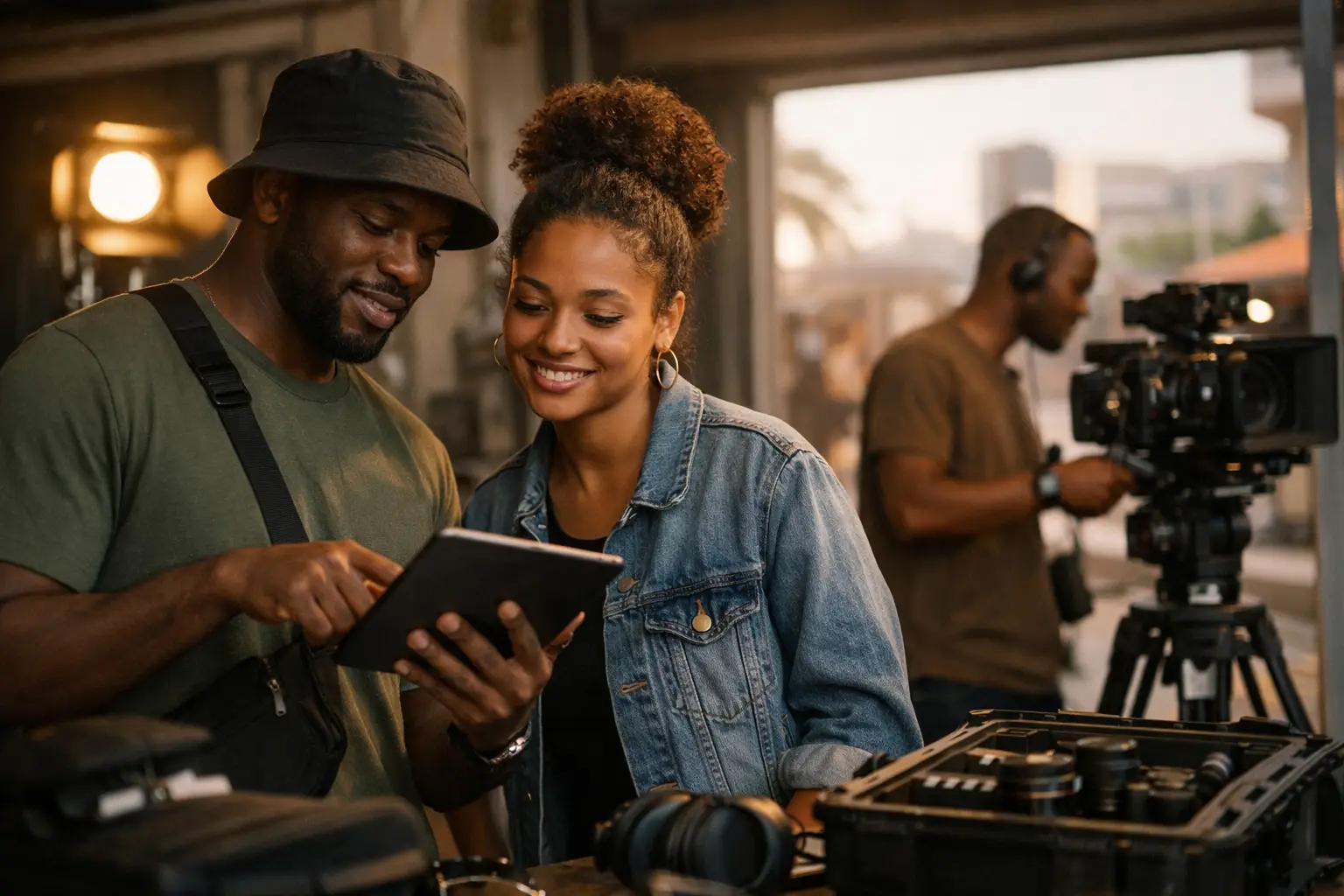
A camera package can be available, insured, and within budget – then still become the reason your shoot loses half a day. The missing battery plate, the lens that does not cover the sensor, the light that needs more power than the location can supply: these are planning problems, not rental problems. This equipment rental planning guide helps project owners, producers, and content teams make decisions that support the creative brief and protect the schedule.
For a fashion campaign, short film, music video, branded series, or creator-led production, rental planning is where vision meets physical reality. The goal is not to rent the most gear. It is to book the right package, with the right support, for the conditions your crew will actually face.
Start With the Shot List, Not the Gear List
Equipment decisions should follow the production plan. Before browsing cameras, lighting kits, studios, or sound packages, turn the creative idea into practical requirements. Review the script, storyboard, shot list, schedule, locations, and final delivery format together. A cinematic reference may call for controlled lighting and lens options. A fast-moving social campaign may need a lighter camera build, wireless audio, and a workflow that lets the team move quickly between setups.
Ask what must be captured, where it will be captured, and what conditions could affect the result. Are you filming interviews in a noisy public space? Recording a dialogue scene at night? Shooting product close-ups for a vertical campaign? Covering a live event with no second take? Each answer changes the rental package.
A useful production brief identifies the camera format, resolution and frame-rate needs, audio requirements, lighting approach, grip needs, power source, media workflow, monitoring, and backup priorities. It should also state who is operating each item. A high-end camera package may be the wrong choice if the available crew has not worked with its menu system, recording media, or power demands.
Build Equipment Packages Around Departments
Booking by department prevents the common mistake of securing a camera body while overlooking everything needed to use it on set. Think in complete working packages rather than individual items.
Camera, lenses, and media
The camera package includes more than the camera. Confirm lenses, mounts, filters, tripods or stabilizers, monitor cables, batteries, chargers, media cards, card readers, and storage drives. Check that the lens mount matches the body, that the media supports the selected recording format, and that enough batteries are available for the length of the day.
Do not assume a rental house package includes every small accessory. Ask for an itemized list and identify what is included, what is optional, and what must be sourced elsewhere. A missing follow-focus gear or proper tripod plate can stop a setup just as effectively as a missing lens.
Lighting, grip, and power
Lighting plans need to account for the location, time of day, available power, and crew capacity. A small interview setup may need only a compact LED kit, softening, stands, sandbags, and basic power distribution. A larger commercial set may require multiple fixtures, modifiers, flags, diffusion, rigging, generators, or a gaffer who can manage the system safely.
Power is where optimistic plans tend to fail. Verify outlet locations, circuit capacity, extension runs, generator access, and whether the venue permits high-draw fixtures. If you are shooting in a studio, ask what is already included and whether grip equipment is shared or reserved for your booking.
Sound and communications
Poor audio is expensive to repair and sometimes impossible to replace. For dialogue, interviews, or live coverage, plan for microphones, transmitters, receivers, boom poles, wind protection, headphones, recorders, timecode tools where needed, and spare batteries. The right sound kit depends on the environment and the number of people speaking on camera.
Communication equipment deserves the same attention on larger sets. Walkie-talkies, headsets, and charging plans help departments coordinate across locations, especially when talent, vehicles, and multiple camera units are involved.
Match the Rental Window to the Real Schedule
A one-day shoot rarely means one day of equipment use. Build the booking window around prep, pickup, testing, transport, setup, shooting, wrap, and return. If the crew needs equipment at 6 a.m., a same-morning collection may introduce unnecessary risk. If the rental provider closes before your wrap, you may need an overnight return or an additional rental day.
For multi-day productions, consider whether gear stays secured at the location, travels with the crew, or returns each night. Each option affects insurance, transport, security, and labor. A lower daily rate can become less economical if repeated pickup and return trips require extra crew hours.
Create a clear timeline for every handoff: who collects the gear, who checks it, who transports it, who signs for it, and who returns it. This is especially valuable when departments are sourced independently. A producer may rent the camera package, while a director of photography brings lenses and a sound mixer supplies audio. The plan needs one owner who can see the whole picture.
Budget for the Costs Around the Equipment
The rental rate is only one line in the production budget. Build room for transport, fuel, delivery, collection, insurance or deposit requirements, consumables, overtime, additional rental days, operator fees, and replacement charges for lost or damaged items. You may also need media, tape, batteries, gels, gaffer tape, sandbags, or data storage that are not included in the quoted package.
It is tempting to cut backup gear first. Sometimes that is sensible. A simple daylight shoot with an accessible rental provider may not need duplicate fixtures. But for a live event, remote location, one-day talent booking, or campaign with a hard delivery date, backup media, power, audio, and essential camera accessories can be cheaper than a reshoot.
Prioritize redundancy based on the cost of failure. If one item failing would stop production, compromise a paid performer’s time, or prevent delivery to the client, it deserves a contingency plan.
Check Compatibility, Condition, and Responsibility Before Pickup
Do a technical check before the crew arrives at the location. Test the camera with the intended lenses, media, monitor, microphones, and power setup. Turn on every light. Inspect cables, stands, mounts, cases, and chargers. Record serial numbers and take time-stamped photos of the condition when appropriate.
Confirm what happens if equipment fails during the rental period. Does the provider offer a replacement? How quickly can it arrive? Is there an emergency contact after business hours? These questions matter more for productions outside major rental hubs or shoots with limited access to nearby suppliers.
Responsibility should be equally clear. Know who is authorized to collect the equipment, whose name is on the rental agreement, who carries insurance, and who can approve substitutions. If a rental is picked up by a production assistant but signed for by the producer, both parties should understand the check-in and check-out process.
Use Specialists When the Package Gets Complex
Some projects benefit from renting equipment with the people who know how to operate it. A camera operator, gaffer, sound recordist, drone pilot, DIT, or studio technician can reduce technical risk while improving the creative result. This is not always necessary for a lean creator shoot, but it is often a better investment than booking advanced equipment without the experience to use it efficiently.
The same principle applies to studios and locations. A space may look ideal in photos but have restrictions on load-in, sound, power, haze, rigging, parking, or shooting hours. Discuss the production plan before confirming the booking, then rent gear that works within those constraints.
A specialized marketplace can make this coordination easier by bringing rental providers, crew, studios, and project support into one workflow. On Fameidols, project owners can align the people and production resources needed for a shoot rather than treating each booking as a separate task.
Equipment Rental Planning Guide: Your Pre-Shoot Check
Before the rental is finalized, make sure the creative requirements, department packages, booking window, budget allowances, transport plan, insurance details, and backup strategy all agree with one another. If any part is unclear, resolve it before the shoot day, when changes are slower and more expensive.
The strongest rental plan gives your team room to focus on performance, composition, and client delivery. Book with enough detail that the first case opens on set with no surprises – and every department has what it needs to do its best work.
Leave your comment
You must be logged in to post a comment.