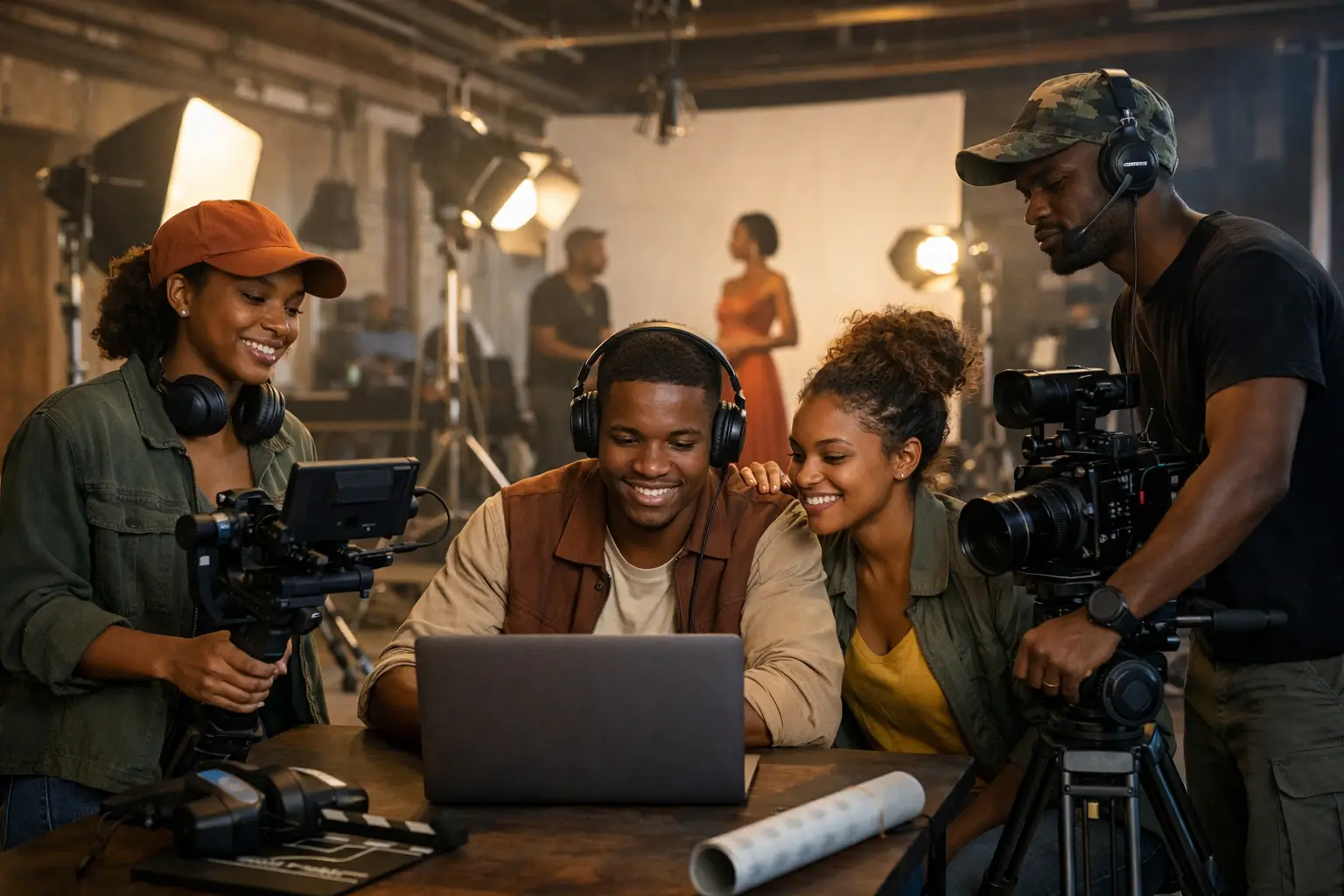
A studio booking can make a production feel controlled, or expose every weak point in the plan. The right studio spaces south africa give your crew room to work, your talent confidence on set, and your client a professional result. The wrong one can mean rushed setups, unusable sound, missing equipment, difficult parking, or a location that looks nothing like its listing.
For producers, photographers, creators, agencies, and independent teams, the goal is not simply to find an attractive room. It is to secure a production-ready environment that fits the creative brief, the working crew, and the realities of the shoot day.
Start With the Production, Not the Studio
A clean white cyclorama may be ideal for an e-commerce campaign but completely wrong for a dialogue-heavy interview. A daylight loft can give a fashion editorial natural texture, yet its shifting light may slow down a tightly scheduled product shoot. The best booking starts with the deliverables: what must be captured, how it will be used, and what conditions the crew needs to create it.
Before comparing options, define the format. Is this a stills shoot, commercial, music video, short film, casting session, podcast, livestream, training program, or social content day? Then map the working requirements around it. Consider the number of people on set, the camera and lighting package, sound needs, styling space, catering, loading, and the amount of time required for setup and strike.
A studio that feels generous for a two-person portrait session may become cramped once you add a director, client team, talent, makeup artist, stylist, camera operator, gaffer, sound recordist, and equipment cases. Ask for dimensions and current images, then think through the actual movement of people and gear. Production flow matters as much as the visual backdrop.
What to Look for in Studio Spaces South Africa
South Africa offers a broad range of studio types, from practical content rooms and photography spaces to sound stages, converted industrial sites, daylight studios, and flexible event-production venues. The strongest match depends on your brief, but several checks should happen before you commit.
Light, power, and sound need different checks
Light is often the first question, particularly for photographers and fashion teams. Ask whether daylight is direct or diffused, which direction windows face, whether blackout is possible, and if the space has curtains, flags, or other light-control options. Natural light is a creative asset, but it is not always predictable enough for a schedule built around consistent shots.
Power deserves the same attention. Confirm the available outlets, circuit capacity, backup power arrangements, and whether high-draw lighting, heaters, or production equipment can be supported safely. If your shoot depends on continuous recording or live broadcasting, do not treat power as a minor detail.
For interviews, podcasts, voice work, and film scenes, investigate sound before booking. A visually impressive studio near a busy road, rail line, workshop, or active venue can become expensive once you lose takes to noise. Ask whether the room is acoustically treated, whether neighboring spaces will be in use, and what quiet hours are realistically available.
Access can protect your schedule
A beautiful space is less valuable if your gear cannot reach it efficiently. Find out where vehicles can park, whether there is secure loading access, the size of elevators, and any stairs or narrow passages between the entrance and the set. A production with large lighting stands, camera carts, set pieces, or wardrobe rails needs a practical route in and out.
Also confirm arrival and departure rules. Many studio rates cover a fixed number of hours, but the clock may start when the first crew member arrives, not when cameras roll. Clarify access for pre-light, setup, shooting, reset, and strike. Overtime pricing, security requirements, and cleaning expectations should be clear in writing.
Facilities affect talent and client experience
A changing room, clean restroom, makeup station, mirror, steaming area, reliable Wi-Fi, and comfortable holding space can determine how smoothly a session runs. These are not luxury extras when you are working with models, performers, executives, or a client team approving work on set.
For a full-day shoot, ask about air conditioning or heating, nearby food options, refrigeration, and a place for crew breaks. If you are producing campaign content, a studio with a client viewing area may save you from trying to manage approvals over crowded shoulders.
Match the Space to the Creative Brief
The most efficient teams do not book the biggest space available. They book the space that supports the planned shot list with the least unnecessary complexity.
A product photographer may need a controlled tabletop area, a sweep, power for strobes, and a styling surface. A beauty creator may prioritize flattering daylight, clean walls, mirrors, and reliable high-speed internet. A filmmaker shooting a narrative scene may need ceiling height for lighting, sound control, a green room, and enough room for a camera track or monitor village.
Fashion productions often need more flexibility than they first appear to. Besides the hero set, consider rack space, fitting areas, full-length mirrors, makeup stations, garment steaming, and a separate place for bags and personal belongings. If the plan includes multiple looks, a studio that saves ten minutes per change can protect hours across the day.
For branded social content, the equation can be different. A compact, well-designed studio that supports quick setups, vertical framing, clean audio, and fast turnaround can outperform a large production stage. Bigger is not automatically better when speed is the priority.
Build a Booking Brief That Gets Useful Answers
Vague inquiries create vague replies. Instead of asking only for availability and price, send a concise production brief that allows the studio provider to identify potential problems early. Include the date, desired access hours, type of production, crew size, expected talent count, equipment footprint, and any special requests.
For more complex work, state whether you need blackout capability, a cyc wall, sound treatment, green screen, vehicle access, set construction permission, smoke or haze approval, internet for livestreaming, or onsite equipment. These details help providers recommend the right room instead of simply the nearest available one.
A good brief also makes your project easier to staff. Once the space is set, you can bring in the right photographer, cinematographer, editor, makeup artist, sound professional, production assistant, or coach with a shared understanding of the work ahead. Fameidols helps project owners bring those moving parts together in one creative marketplace, from talent discovery to practical production resources.
Price the Whole Shoot, Not Just the Hourly Rate
A lower studio rate can become the more expensive choice if it requires extensive equipment rentals, extra travel, external sound treatment, long load-ins, or overtime. Conversely, a higher-priced space with included grip, lighting, furniture, parking, and a dedicated studio assistant may reduce the total production cost.
When comparing quotes, check what is included and what is billed separately. Common variables include equipment use, cleaning, generator or power fees, security, overtime, insurance, damaged-background charges, assistants, internet, and weekend or after-hours access. If you are shooting for a client, build contingency into the budget rather than assuming the day will run perfectly.
Be especially careful with cyc walls and painted backdrops. Ask whether the floor and wall will be freshly painted, what condition is expected on exit, and how marks, scuffs, tape, or colored gels are handled. A simple detail can lead to a surprise bill if it is not discussed in advance.
Confirm the Details Before Call Time
The final confirmation should turn the booking into an executable plan. Reconfirm the contact person, building address, gate or reception procedure, parking instructions, access time, emergency procedures, Wi-Fi details, power locations, and any equipment being supplied. Send the information to department leads, not only the producer.
If possible, conduct a site visit or a video walkthrough before a major production. It is the fastest way to identify ceilings that are lower than expected, windows that cannot be blocked, noisy air conditioning, limited outlets, or awkward access routes. For smaller content days, current photos and a detailed provider conversation may be enough, but do not rely on a wide-angle listing image alone.
The strongest studio choice is the one that lets your team focus on the work, not on solving preventable operational issues. Define the brief, ask practical questions, and book with enough information to protect the creative outcome. Then give your cast and crew the space to do what they do best: make the idea real.
Leave your comment
You must be logged in to post a comment.