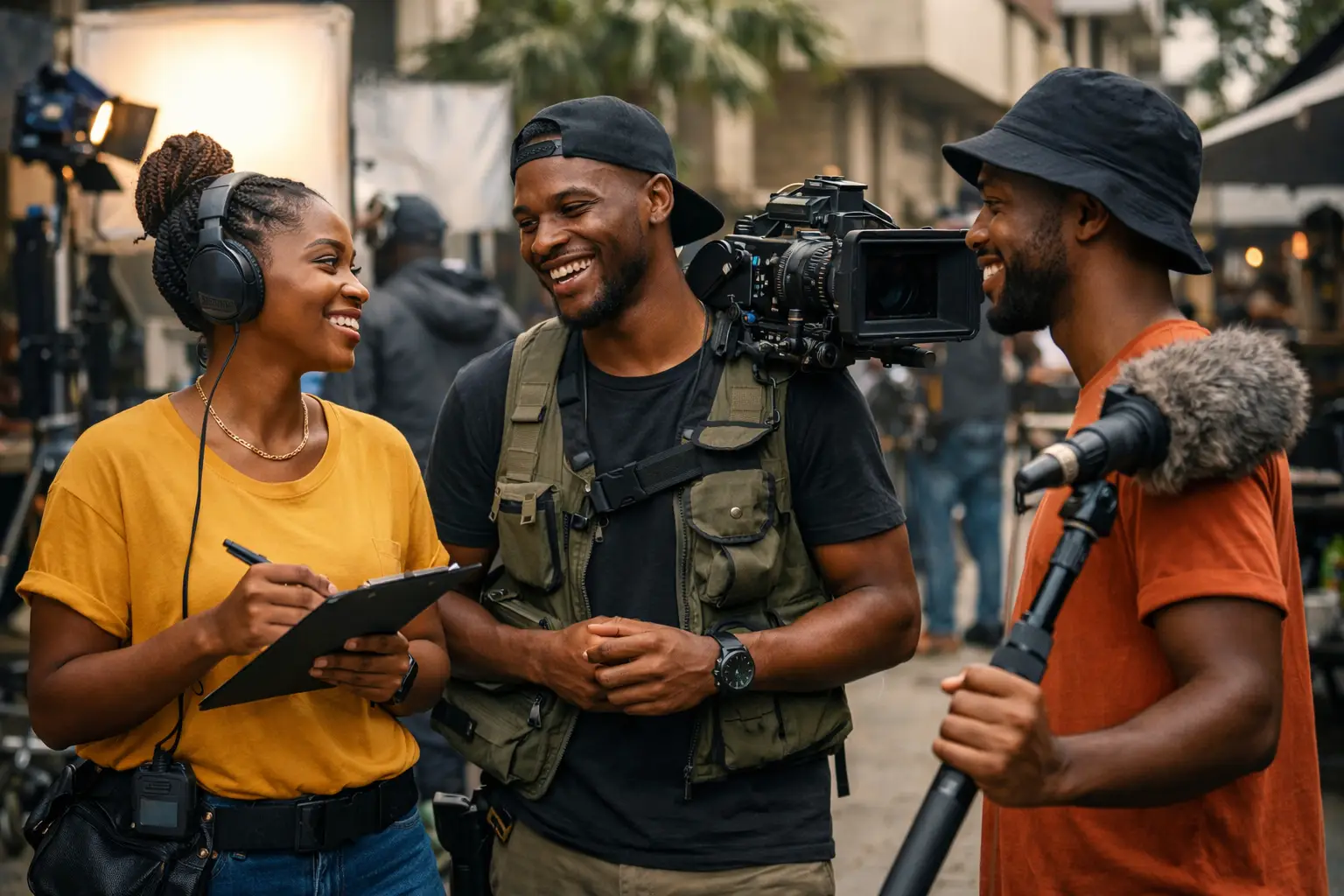
A shoot rarely falls apart because one person lacked talent. It usually slips because the wrong people were hired for the real conditions of the job – the pace, the budget, the location, the expectations, and the pressure. If you are figuring out how to recruit film crew, the goal is not just to fill positions. It is to build a team that can actually deliver when call time hits.
That sounds obvious, but many productions still hire backward. They start with names, résumés, or availability, then try to force the project around the crew they found. Strong hiring works the other way. You define the production clearly, map the roles that matter most, and recruit for fit, not just experience.
How to recruit film crew with the right plan
Before you post a role or message a single freelancer, get specific about what you are producing. A short branded content shoot needs a different crew structure than a narrative short, live event capture, music video, or fashion campaign. Even when job titles match, the working style may not.
A director of photography who excels on cinematic storytelling may not be the best fit for a fast-moving social campaign with multiple product setups. A production assistant who thrives on large commercial sets may struggle on a lean indie production where everyone wears three hats. This is why your first hiring decision is really a planning decision.
Start by defining the production format, the number of shoot days, whether it is single-location or multi-location, what gear is already secured, and how much coordination the project needs before filming begins. Once those pieces are clear, crew recruitment becomes far more accurate.
The strongest producers also separate must-have roles from nice-to-have roles. If your budget is tight, spend where mistakes are expensive. Sound, camera, production management, and lighting usually affect the final outcome more than an overbuilt crew chart. The exact mix depends on the project, but clarity here protects both your budget and your timeline.
Write crew briefs people can say yes to
Most hiring problems begin in the brief. Vague job posts attract vague applications, which slows down the process and creates mismatched expectations. If you want better responses, your brief needs to read like a working production document, not a casual request for help.
A useful crew brief tells candidates what the project is, what kind of deliverable you need, what dates matter, what the budget range is, where the work takes place, and what success looks like in that role. It should also mention whether the job includes prep days, kit requirements, travel, overtime expectations, and who the person reports to.
This level of detail does two things. First, it helps serious professionals qualify themselves quickly. Second, it filters out candidates who are available but not suitable. That saves time on both sides.
If you are recruiting in active creative markets like Nigeria, Kenya, South Africa, or Ghana, this clarity matters even more because many skilled freelancers are balancing multiple opportunities at once. The clearer your brief, the easier it is for good crew to commit with confidence.
Prioritize fit over stacked credits
Credits matter, but they do not tell the whole story. A crew member with a strong portfolio can still be the wrong hire if they are slow to communicate, unclear on logistics, or resistant to the realities of your production size.
When reviewing candidates, look at three layers at once: technical ability, production behavior, and project fit. Technical ability is the baseline. Production behavior is how they communicate, prepare, solve problems, and collaborate. Project fit is whether their experience matches your actual workload, pace, and creative style.
This is where newer talent can sometimes outperform more established names. An emerging gaffer who is organized, responsive, and hungry to deliver may be a better choice than a highly credited professional who treats a small shoot as a low-priority booking. The trade-off, of course, is supervision. Less experienced crew may need clearer direction. Experienced crew may need less hand-holding but come at a higher rate. Neither option is automatically better. It depends on what your production can support.
How to recruit film crew without wasting time
Speed matters, but rushed hiring usually creates expensive problems later. The best way to move fast is to use a simple vetting system instead of relying on instinct alone.
Ask for a focused portfolio, not everything they have ever done. If you are hiring a first assistant director, ask about productions similar in scale and scheduling complexity. If you are hiring a sound mixer, ask for examples from environments like yours – controlled interviews, events, exterior scenes, or documentary-style capture. Relevance beats volume.
Then move into a short conversation that tests the realities of the job. You are not trying to impress the candidate. You are trying to confirm whether they understand your production. Ask how they handle schedule changes, what information they need before the shoot, what they expect from other departments, and where they see common failure points.
Good answers are usually specific. They reference prep, backups, communication, and workflow. Weak answers stay generic and focus only on creative ambition.
References still matter, especially for leadership roles. A quick check with a previous producer or department head can reveal whether someone is dependable under pressure. You do not need a long investigation. You need enough signal to spot risk before call sheets are sent.
Recruit by department, not just by title
Film crew hiring gets easier when you think in departments instead of isolated roles. Every hire affects another hire. Your camera team influences your lighting needs. Your production designer affects load-in time. Your line producer or production manager shapes how efficiently the whole set runs.
That means one strong department lead can improve your recruitment across the board. If you trust your director of photography, they may help identify the right camera operator, focus puller, or gaffer for the shooting style. If you have a capable production coordinator, they can reduce friction across permits, transport, call times, and crew communication.
This approach also helps when budgets are flexible but not unlimited. Instead of adding headcount too early, hire the department leaders who can tell you where additional support will actually create value. A smaller, sharper crew often works better than a larger, loosely managed one.
Use platforms built for creative hiring
General job boards can produce volume, but film crew hiring is rarely a volume problem. It is a precision problem. You need people who understand set culture, deadlines, freelance workflows, and role-specific expectations.
That is why specialized creative marketplaces tend to work better for productions that need targeted hiring. A platform like Fameidols Talent Network makes that process more practical because project owners can recruit across talent, backstage crew, experts, and even production resources without jumping between disconnected channels. For productions moving quickly, that kind of centralized workflow reduces friction.
The real advantage is not just access. It is context. When candidates and service providers already operate inside a creative ecosystem, it becomes easier to assess fit, compare specialties, and move from discovery to booking.
Budget honestly or expect turnover
Underpricing a role does not just reduce the number of applicants. It changes the quality of commitment. Crew members who accept low rates on unclear terms are more likely to drop for better-paying work, especially if your production details feel unstable.
That does not mean every project needs premium rates. Independent productions, student films, and early-stage branded projects often work with real constraints. But honesty matters. If the budget is lean, be transparent about what is locked, what is flexible, and what support is included. Some professionals will still say yes if the scope is realistic and the production is well organized.
Crew also evaluate the full offer, not just the day rate. Reliable scheduling, reasonable hours, proper meals, travel support, and clear prep communication all affect whether a job feels worth taking. Organized productions attract better people, even when budgets are not huge.
Close the hire like a producer
Once you find the right person, do not leave the agreement half-formed. Confirm rate, dates, responsibilities, payment timing, kit details, overtime terms, and any dependencies before the job is considered locked. A lot of hiring friction comes from assumptions made too early.
After confirmation, keep momentum. Share schedules when available, flag possible changes early, and make sure department heads know who is coming onto the project. A strong close builds confidence before day one.
That confidence matters more than many producers realize. Great crew want to work with teams that are decisive, respectful, and prepared. When your recruitment process reflects that, you do more than fill roles. You start building a network people want to return to for the next shoot.
The best crew hiring strategy is simple: be clear, be specific, and recruit for the production you actually have, not the one you wish you had. That is how good sets start.
Leave your comment
You must be logged in to post a comment.