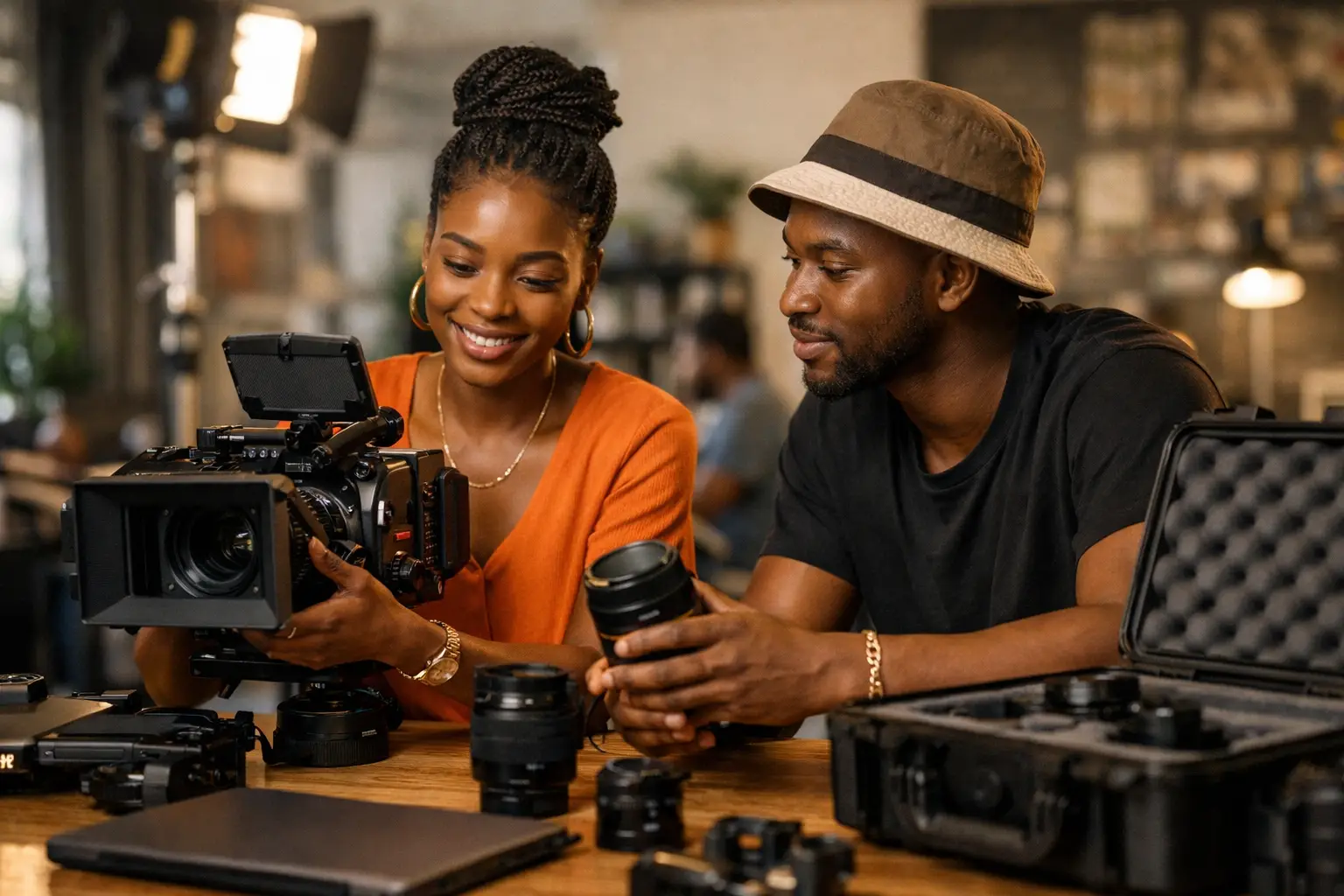
A camera body that looked perfect on paper can still slow your shoot if the battery system is wrong, the lens mount does not match, or the pickup window kills half your call time. That is why more producers and creators now rent film equipment online instead of relying on last-minute phone calls and scattered vendor chats. The right platform gives you speed, visibility, and fewer surprises before shoot day.
Why more teams rent film equipment online
Film production moves fast, but gear decisions still carry real consequences. If you are producing branded content, a short film, a fashion shoot, a music video, or social campaigns at scale, equipment is never just a line item. It affects image quality, lighting flexibility, crew efficiency, transport planning, and sometimes whether the day runs at all.
When you rent film equipment online, you get a clearer view of availability, package details, rental windows, and provider options before committing. That matters for lean teams that do not have time to chase five separate vendors for one camera package, one lighting kit, and two wireless audio sets. It also matters for freelancers who need professional tools without tying up capital in purchases that may only pay off after many bookings.
Online rental works especially well when your production needs change project to project. A beauty campaign might need high-end glass and precise lighting control, while a behind-the-scenes doc series may need lighter handheld rigs, compact audio, and easy transport. Renting keeps your setup flexible.
What to check before you book film gear
The biggest mistake is choosing equipment by brand name alone. A camera is not a solution by itself. Your actual need is a workable production setup.
Start with the shoot brief. Think about delivery format, shooting environment, crew size, and turnaround time. If you are filming interviews in controlled interiors, your needs are different from a run-and-gun outdoor shoot. If the final content is for social-first delivery, the heaviest cinema package may not be the smartest spend.
Then check compatibility. This is where online renters either look experienced or get caught off guard. Make sure lenses fit the camera mount, media is included or available, batteries are sufficient for your schedule, and support gear matches the rig weight. If you need slow motion, confirm frame rate options. If you need clean dialogue, check lavs, boom options, recorders, and monitoring.
It also helps to think in systems, not isolated items. Camera, lenses, media, power, tripod, monitor, lighting modifiers, stands, cables, and audio accessories all need to work together. If one piece is missing, the whole package suffers.
Build around the production, not the wishlist
It is easy to overbook gear because the online listing looks impressive. But every extra item affects budget, transport, setup time, and crew coordination. A solo creator may be better served by a lighter mirrorless package with two versatile lenses than a full cinema build that requires an AC, more batteries, and additional support.
On the other hand, underbooking creates its own costs. Cheap lights that cannot compete with daylight or a single battery for a full-day shoot can create delays that cost more than the upgrade would have. Good booking is not about getting the most gear. It is about getting the right gear for the schedule and the shot list.
How to evaluate an online rental provider
Not every provider listing is equally production-ready. Some are excellent on equipment quality but weak on communication. Others have attractive pricing but vague package details. Before you book, look closely at how the offer is presented.
A strong listing should tell you what is included, what is optional, what condition the gear is in, and what support is available if something goes wrong. Clear turnaround expectations matter too. If your shoot starts early, you do not want ambiguity around pickup or delivery.
Communication is part of the product. If a provider responds slowly before payment, that can be a warning sign for shoot-day support. The best rental experience comes from providers who understand production pressure and can answer practical questions quickly.
This is where a marketplace built for creative work has an advantage. When rentals sit alongside crew, talent, and production services, project owners can source with more context. A platform like Fameidols fits that workflow because it serves as more than a gear board. It supports the way productions actually get built.
Questions worth asking before payment
Ask whether the listed package is exactly what will be handed over. Confirm battery count, charger count, media capacity, cable types, and whether cases are included. For lighting, ask about stands, softboxes, grids, clamps, and extension options. For audio, ask about mounts, adapters, wind protection, and monitoring.
Also ask about replacements and fault handling. Gear can fail even in well-managed inventories. What matters is whether there is a process to solve the problem fast.
Common mistakes when you rent film equipment online
One common mistake is booking too late. The most requested camera bodies, cinema lenses, audio kits, and lighting packages often go first, especially around weekends, campaign periods, and event-heavy seasons. Early booking gives you better selection and more time to solve compatibility questions.
Another mistake is ignoring logistics. A great rental is not so great if pickup is far from set, transport is complicated, or return timing clashes with wrap. The real cost of gear includes movement, setup, breakdown, and any crew time lost in between.
Insurance and deposit terms also deserve attention. Some teams focus only on daily rate and get surprised by hold amounts, damage responsibility, or ID requirements. Read the terms carefully so there are no ugly surprises when you are trying to lock the schedule.
Then there is the test issue. If you can, inspect and test before call time. Check sensor cleanliness, ports, media formatting, focus behavior, audio inputs, light output, and battery health. Online booking is efficient, but it should still lead to real-world verification.
Getting the best value from online rentals
The cheapest listing is not always the best value. A slightly higher-priced package that includes more batteries, proper support, current firmware, and responsive provider support can save money across the day. Delays are expensive. So are missing accessories.
Bundling can help if your project needs multiple categories of gear. Booking camera, lighting, and audio together may simplify coordination, reduce transport headaches, and improve consistency across the package. It also makes it easier to assign accountability if something is missing.
For growing freelancers and small production teams, online rental also creates a path to compete at a higher level without overinvesting early. You can pitch bigger projects because the right tools are accessible when the job lands, rather than sitting idle between bookings.
When renting beats buying
Buying makes sense when a piece of equipment is used constantly, pays for itself quickly, and matches your core service offering. But many productions need specialized tools only occasionally. Anamorphic lenses, advanced lighting control, cinema cameras for specific clients, or extra wireless systems for larger sets often make more sense as rentals.
Renting also protects you from locking money into gear that ages quickly. Client expectations shift, formats change, and newer tools can alter what is considered standard. Renting lets you stay current without carrying the full replacement burden.
A smarter workflow for project owners and creatives
The real benefit of choosing to rent film equipment online is not only convenience. It is better decision-making. You can compare options with more clarity, match the kit to the production, and avoid building your shoot around whatever one local contact happens to have available.
That is powerful for agencies, brand teams, independent producers, and rising creatives alike. It keeps production planning more organized and makes professional execution more accessible. For markets where creative industries are scaling fast, including parts of Africa such as Nigeria, Kenya, South Africa, and Ghana, that kind of access can help more projects move from idea to delivery without the usual bottlenecks.
The smartest crews do not treat gear rental as an afterthought. They treat it as part of production strategy. Book early, ask specific questions, and choose providers who understand the realities of set life. The right equipment will not make the project by itself, but the wrong booking can definitely get in the way. Start with the shoot, match the gear to the job, and give your team the tools to work at full pace.
Leave your comment
You must be logged in to post a comment.