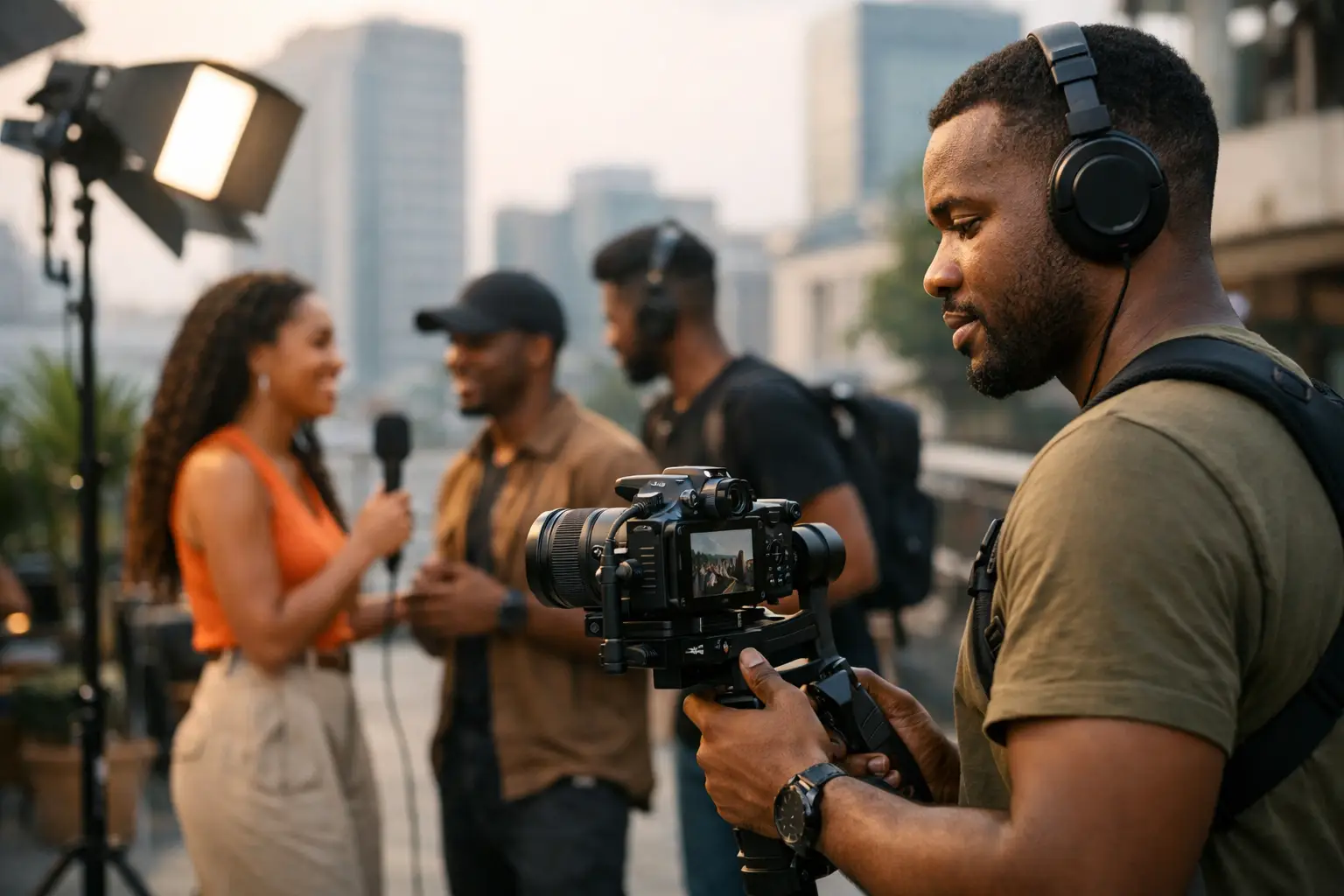
A shaky hiring decision shows up fast on set. You feel it when the videographer asks basic questions that should have been settled in pre-production, when the footage misses the brand tone, or when the edit takes twice as long because the raw material was captured without a plan. If you are figuring out how to hire freelance videographers, the real job is not just finding someone available. It is finding someone who can deliver under your timeline, budget, and creative standard.
That matters whether you are producing branded content, filming an event, building social campaigns, or staffing a larger production with specialized crew. A strong freelance videographer can move quickly, solve problems in real time, and make your project look more expensive than it is. The wrong one can slow down your entire workflow.
How to hire freelance videographers without wasting budget
Start with the project, not the person. Many clients begin by browsing reels and shortlisting the most visually impressive profiles. That sounds logical, but it often leads to poor matches. A stunning music video editor may not be the right fit for a corporate interview shoot. A wedding shooter may have excellent instincts, yet struggle with product lighting or branded framing.
Before you approach anyone, define the assignment in operational terms. What are you filming, where is it being used, how long is the final deliverable, and what level of polish do you need? A one-day behind-the-scenes shoot for social content requires a different skill set than a scripted campaign with location changes, talent direction, audio capture, and multiple output formats.
The clearer your brief, the better your hire. At minimum, your scope should cover shoot date, location, runtime expectations, aspect ratios, deliverables, required gear, crew support, and whether editing is included. If your brand has visual references, include them. If your project has non-negotiables like same-day turnaround or licensed audio requirements, state those early.
This is also where budget becomes more realistic. Freelance videography pricing varies because the work itself varies. Some jobs are simple camera coverage. Others include concepting, lighting, sound, directing, editing, color correction, and motion graphics. If you ask for all of that under a vague day rate, you will either attract underqualified applicants or create friction later.
What to look for in a freelance videographer
A reel gets attention, but fit comes from context. When reviewing candidates, ask what kind of projects produced the work you are seeing. A cinematic montage may look polished, yet it tells you very little about how the videographer handled client notes, interview audio, continuity, or fast turnarounds.
Look for proof across three areas: technical control, creative judgment, and production reliability. Technical control means stable footage, clean exposure, usable sound, and editing that supports the message rather than distracting from it. Creative judgment means the videographer understands pacing, framing, story, and audience. Production reliability means they communicate clearly, show up prepared, and know how to work within constraints.
Experience in your content category helps, but it is not always mandatory. A talented freelancer can cross over from one format to another if the fundamentals are strong. Still, category experience reduces risk. If you need event coverage, hire someone who can handle unpredictable moments. If you need branded talking-head content, hire someone who knows how to light faces, record clean dialogue, and make non-actors feel comfortable on camera.
Pay close attention to consistency. One great clip inside an uneven portfolio is not enough. You want to see repeated evidence of quality, not a lucky standout project supported by a stronger team.
Ask better questions before you book
The fastest way to improve hiring outcomes is to ask questions that reveal process, not personality. Everyone says they are creative, detail-oriented, and easy to work with. What you need to know is how they think through a job.
Ask how they would approach your specific shoot. What would they need from you before production? What gear would they bring, and why? How do they handle audio, lighting, backups, and file delivery? If editing is part of the scope, ask how many revision rounds are included and what their turnaround time looks like under your timeline.
You should also ask what could go wrong. Skilled freelancers usually have practical answers here. They might mention weather, location sound issues, power limitations, permit restrictions, talent delays, or changing client expectations. That is a good sign. It shows they understand production as execution, not just aesthetics.
Availability matters, but responsiveness matters more. A videographer who answers clearly, asks relevant follow-up questions, and spots missing details in your brief is often easier to work with than someone with a flashier reel and a slower, vaguer process.
How to compare quotes fairly
When multiple freelancers bid on the same project, the cheapest option can look tempting. But videography quotes are rarely apples to apples. One freelancer may include camera, lenses, lighting, audio kit, and editing. Another may quote only for shooting time. A third may assume a half-day when you actually need ten hours and travel.
Compare quotes line by line. Look at prep time, shoot hours, overtime terms, editing, revisions, travel, assistants, music licensing, color work, captioning, and delivery format. If you are hiring for a larger production, also check whether the videographer can plug into your wider crew structure or if they work best on lean, self-contained shoots.
There is usually a middle ground between overpaying and underbuying. A lower rate can make sense if the project is straightforward, the brief is clear, and the videographer is building experience. A higher rate can save money if it reduces reshoots, post-production fixes, or the need for extra crew. Cost is real, but so is the price of preventable mistakes.
Contracts, rights, and project expectations
This is the part many clients rush, then regret. If you want a smooth production, put the terms in writing before the camera comes out.
Spell out the scope of work, payment schedule, cancellation terms, deadlines, revision limits, and ownership or usage rights. Do not assume that paying for a shoot automatically gives you unlimited rights for every platform, region, or future campaign. If you need broad usage, clarify that in the agreement.
Be specific about raw footage too. Some clients expect all source files by default. Some videographers price that separately or prefer to deliver only edited assets. Neither approach is wrong, but it must be clear upfront.
If your project involves branded guidelines, release forms, location permissions, or confidentiality, bring those in early. Strong freelancers appreciate structure because it protects the workflow and reduces last-minute surprises.
Where many clients get the hire wrong
Most hiring mistakes happen before production starts. The brief is too loose, the deliverables are not defined, or the client hires based on style alone. Then the freelancer arrives and discovers the job actually requires producer instincts, interview direction, vertical cutdowns, social captions, and a two-day turnaround.
Another common issue is underestimating support needs. A solo videographer can do a lot, but not everything at once. If your shoot involves multiple setups, live event coverage, separate audio, or branded stills alongside video, you may need more than one person. Hiring one freelancer for a two-person job often creates quality gaps that no edit can fully fix.
This is where a specialized marketplace can save time. On a production-focused platform, you can find not only freelance videographers but also editors, assistants, stylists, coaches, rental providers, and other crew support in one workflow. For project owners building content at speed, that operational advantage matters just as much as creative talent.
How to hire freelance videographers for repeat work
If you plan to create content regularly, do not treat each hire like a one-off transaction. Build relationships with freelancers who understand your brand, pace, and approval process. The first project may take more onboarding, but the second and third often become faster, sharper, and more cost-effective.
Create a repeatable system. Keep a strong brief template, save your visual references, document preferred deliverables, and note what worked after each project. Freelancers perform better when the client side is organized too.
This is especially useful for agencies, creator brands, and growing production teams working across markets like Nigeria, Kenya, South Africa, and Ghana, where local context, crew access, and location readiness can affect timelines. A videographer with regional production experience can sometimes solve problems that a generic portfolio will never reveal.
The best hire is not always the most cinematic, the cheapest, or the most available. It is the freelancer who understands the assignment, communicates with confidence, and can turn your brief into footage that actually works. Hire for outcomes, not just optics, and your production gets stronger before the shoot even begins.
If you want better content, start by asking for a better process.
Leave your comment
You must be logged in to post a comment.